Sell digital products without a website using platforms like Etsy, Gumroad, or social media channels. Leverage email marketing and online marketplaces.
Selling digital products has become easier thanks to various online platforms. Etsy and Gumroad are user-friendly marketplaces that allow you to list and sell your digital items. Social media channels like Instagram and Facebook also offer tools to market and sell directly to followers.
Email marketing helps you reach a broader audience and keep them engaged. These methods eliminate the need for a dedicated website and reduce startup costs. By using these platforms, you can focus on creating and marketing your products effectively. This approach saves time and resources, making it ideal for beginners and small businesses.
Leveraging Social Media Platforms
Leveraging social media platforms can be a game-changer for selling digital products. Without a website, you can still reach a broad audience and make sales. Social media platforms offer various tools and features to promote and sell your products effectively.
Choosing The Right Platforms
Choosing the right social media platforms is crucial for your success. Different platforms attract different audiences. Here are some key platforms to consider:
| Platform | Audience | Best For |
|---|---|---|
| Adults aged 25-54 | Community building, ads | |
| Younger adults, 18-34 | Visual content, stories | |
| Women, 25-50 | DIY, crafts, lifestyle | |
| Professionals | B2B products, professional services |
Creating Engaging Content
Creating engaging content is key to attracting and retaining your audience. Here are some tips to help you:
- Visuals: Use high-quality images and videos.
- Stories: Share stories to connect emotionally with your audience.
- Consistency: Post regularly to keep your audience engaged.
- Value: Provide valuable information that solves problems.
Here are some content ideas:
- Product demos
- Customer testimonials
- Behind-the-scenes content
- Interactive polls and Q&A sessions
Utilizing Online Marketplaces
Do you want to sell digital products without a website? Online marketplaces are your answer. These platforms allow you to reach a global audience quickly. They handle payments and customer support, letting you focus on creating products.
Popular Marketplaces
There are several popular marketplaces for selling digital products. Each one has unique features and benefits.
- Amazon Kindle Direct Publishing (KDP): Ideal for selling eBooks. It provides access to millions of readers worldwide.
- Udemy: Perfect for online courses. It offers a large student base and marketing tools.
- Etsy: Great for printable items. It has a loyal customer base looking for unique products.
- Gumroad: Versatile for various digital goods. It offers simple setup and powerful analytics.
Setting Up Your Store
Setting up your store on these platforms is straightforward. Follow these steps:
- Create an Account: Sign up on the chosen marketplace.
- Upload Your Products: Add your digital products with detailed descriptions.
- Set Pricing: Determine the price for each product.
- Optimize Listings: Use keywords to improve visibility.
- Promote Your Store: Share your store on social media and email lists.
Below is a quick comparison of these marketplaces:
| Marketplace | Ideal For | Key Features |
|---|---|---|
| Amazon KDP | eBooks | Global reach, royalty options |
| Udemy | Online Courses | Large student base, marketing tools |
| Etsy | Printable Items | Loyal customer base, unique products |
| Gumroad | Various Digital Goods | Simple setup, powerful analytics |
By using these online marketplaces, you can start selling digital products quickly. No need to build a website. Just focus on creating amazing products and let the marketplaces handle the rest.
Email Marketing Techniques
Using email marketing techniques is a powerful way to sell digital products without a website. This method allows you to connect with potential customers directly in their inboxes. Below, we will explore key strategies to maximize your email marketing efforts.
Building An Email List
Your email list is your most valuable asset. Start by collecting email addresses from interested individuals. Use simple sign-up forms to make it easy for people to join your list. Offer a free resource or discount in exchange for their email address.
Here are some methods to build your email list:
- Social media promotions
- Online webinars
- Guest blogging
- Networking events
Ensure your sign-up forms are visible and easy to fill out. Place them on your social media profiles and email signatures. Always ask for permission before adding someone to your list.
Crafting Effective Campaigns
Once you have an email list, focus on crafting engaging campaigns. Start with a catchy subject line to grab attention. Keep your emails short and to the point.
Follow these steps to create effective email campaigns:
- Segment your audience based on their interests.
- Personalize your emails with the recipient’s name.
- Include a clear call-to-action (CTA).
- Use high-quality images and graphics.
Here is a simple structure for your email content:
| Section | Description |
|---|---|
| Subject Line | Catchy and brief |
| Opening | Personal greeting |
| Main Content | Informative and engaging |
| CTA | Clear and actionable |
Always test different elements of your emails. Experiment with subject lines, CTAs, and images. Track the performance and adjust your strategy based on the results.
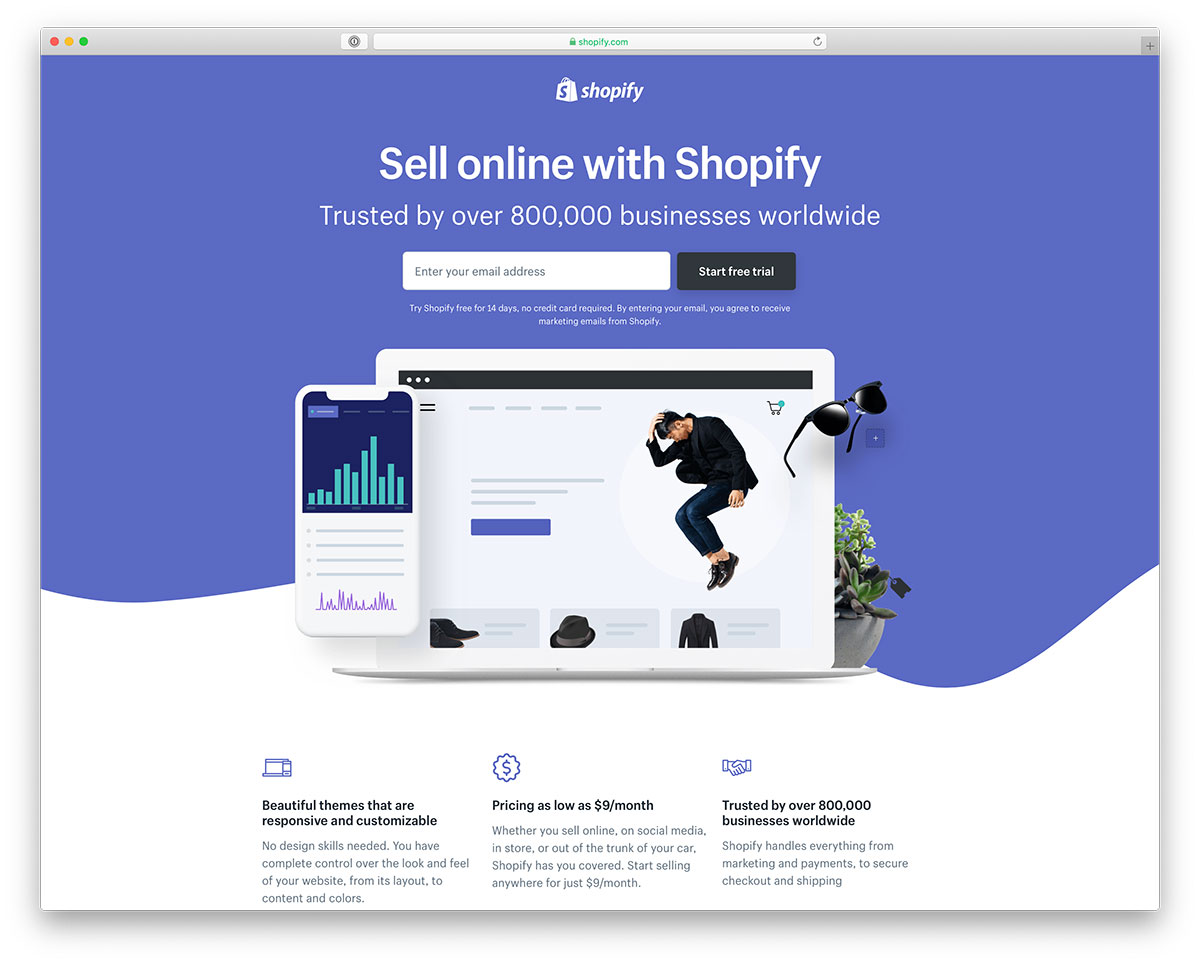
Credit: colorlib.com
Collaborating With Influencers
Collaborating with influencers can boost your digital product sales. Influencers have large audiences who trust their recommendations. By working with them, you can reach new customers. Below are steps to make the most of influencer partnerships.
Finding The Right Influencers
Identifying the right influencers is crucial. They should align with your product and values. Here are some steps to find them:
- Search for influencers in your niche on social media platforms.
- Check their engagement rates, not just follower counts.
- Review their content to ensure it matches your brand.
- Use influencer marketing tools to find top influencers.
Creating Mutually Beneficial Deals
Creating deals that benefit both parties is key. Here’s how to do it:
- Offer influencers a commission for each sale they generate.
- Provide them with free access to your digital products.
- Create exclusive discount codes for their followers.
- Collaborate on content like tutorials, reviews, or live demos.
- Ensure clear communication and set expectations from the start.
Selling Through Podcasts And Webinars
In today’s digital age, selling products without a website is possible. One effective way to achieve this is through podcasts and webinars. These platforms allow you to reach a broad audience and showcase your digital products effectively.
Starting Your Own Podcast
Creating a podcast is easier than you think. First, choose a niche topic related to your digital products. This can draw in potential customers interested in that topic.
Next, invest in good recording equipment. Clear audio quality keeps listeners engaged. Use free tools like Audacity for editing your episodes.
Plan your content carefully. Create a schedule for your episodes. Consistency helps build a loyal audience. Share valuable insights and information.
Promote your digital products within your episodes. Provide a clear call-to-action. Direct listeners to a landing page or an email sign-up form.
Hosting Informative Webinars
Webinars allow for a live interaction with your audience. Choose a platform like Zoom or Webex for hosting your webinar.
Prepare a detailed presentation. Use visual aids like slides to keep the audience engaged. Address common pain points and offer solutions through your digital products.
Engage with your audience during the webinar. Answer questions in real-time. This builds trust and credibility.
Offer exclusive deals or discounts to attendees. This can drive immediate sales. Send follow-up emails to attendees with a link to purchase your products.
| Platform | Purpose | Tools |
|---|---|---|
| Podcast | Reach a broad audience | Audacity, Good Microphone |
| Webinar | Live interaction | Zoom, Webex, Slides |
By leveraging podcasts and webinars, you can effectively sell digital products without a website. These platforms help you engage directly with your audience and build trust.

Credit: m.youtube.com
Maximizing Affiliate Marketing
Affiliate marketing can help you sell digital products without a website. Affiliates promote your products and earn a commission for each sale. This strategy can increase your reach and sales. Let’s explore how to recruit affiliates and track their performance.
Recruiting Affiliates
To recruit affiliates, you need to find people who can promote your products. Look for influencers, bloggers, and social media personalities. They already have an audience that trusts them.
Create an affiliate program that offers attractive commissions. Offer a percentage of each sale or a fixed amount. Make sure your program is easy to join and understand.
Use social media and email to invite potential affiliates. Share the benefits of joining your program. Provide them with promotional materials like banners, links, and sample posts.
Tracking And Optimizing Performance
Tracking and optimizing your affiliates’ performance is crucial. Use tracking software to monitor sales and clicks. This helps you see which affiliates are performing well.
Optimize your program by offering higher commissions to top performers. Recognize their efforts and keep them motivated. Provide feedback and tips to help them improve their promotions.
Here are some tools to track and optimize performance:
| Tool | Features |
|---|---|
| Google Analytics | Tracks sales, clicks, and user behavior |
| ClickMeter | Monitors affiliate links and conversions |
| Post Affiliate Pro | Manages affiliate programs and offers detailed reports |
By following these steps, you can maximize affiliate marketing without a website. Recruit the right affiliates and track their performance to boost your sales.
Credit: heyjessica.com
Frequently Asked Questions
Can You Sell Digital Products Without A Website?
Yes, you can use platforms like Etsy, Gumroad, or social media to sell digital products without a website.
What Platforms Can I Use?
Platforms like Etsy, Gumroad, Shopify, and social media channels are excellent for selling digital products.
How Do I Promote My Digital Products?
Use social media marketing, email newsletters, and collaborations with influencers to effectively promote your digital products.
What Types Of Digital Products Sell Well?
E-books, online courses, printables, and software tools are popular digital products that sell well online.
Conclusion
Selling digital products without a website is possible and effective. Utilize social media, marketplaces, and email marketing. These platforms offer vast reach and ease of use. Optimize your strategies, stay consistent, and engage your audience. Success in digital product sales is within reach, even without a dedicated website.