To dropship digital products, set up an online store and partner with creators to sell their digital goods. Use automated delivery systems.
Dropshipping digital products offers a lucrative business model with minimal overhead costs. Unlike physical goods, digital products can be delivered instantly, enhancing customer satisfaction. Popular digital products include eBooks, software, online courses, and design templates. Start by identifying a niche market and sourcing high-quality digital products from reliable creators.
Use platforms like Shopify or WooCommerce to build your store. Implement automated systems to handle orders and delivery efficiently. Marketing through social media and SEO strategies can drive traffic to your store. This approach allows you to focus on scaling your business without worrying about inventory or shipping logistics.
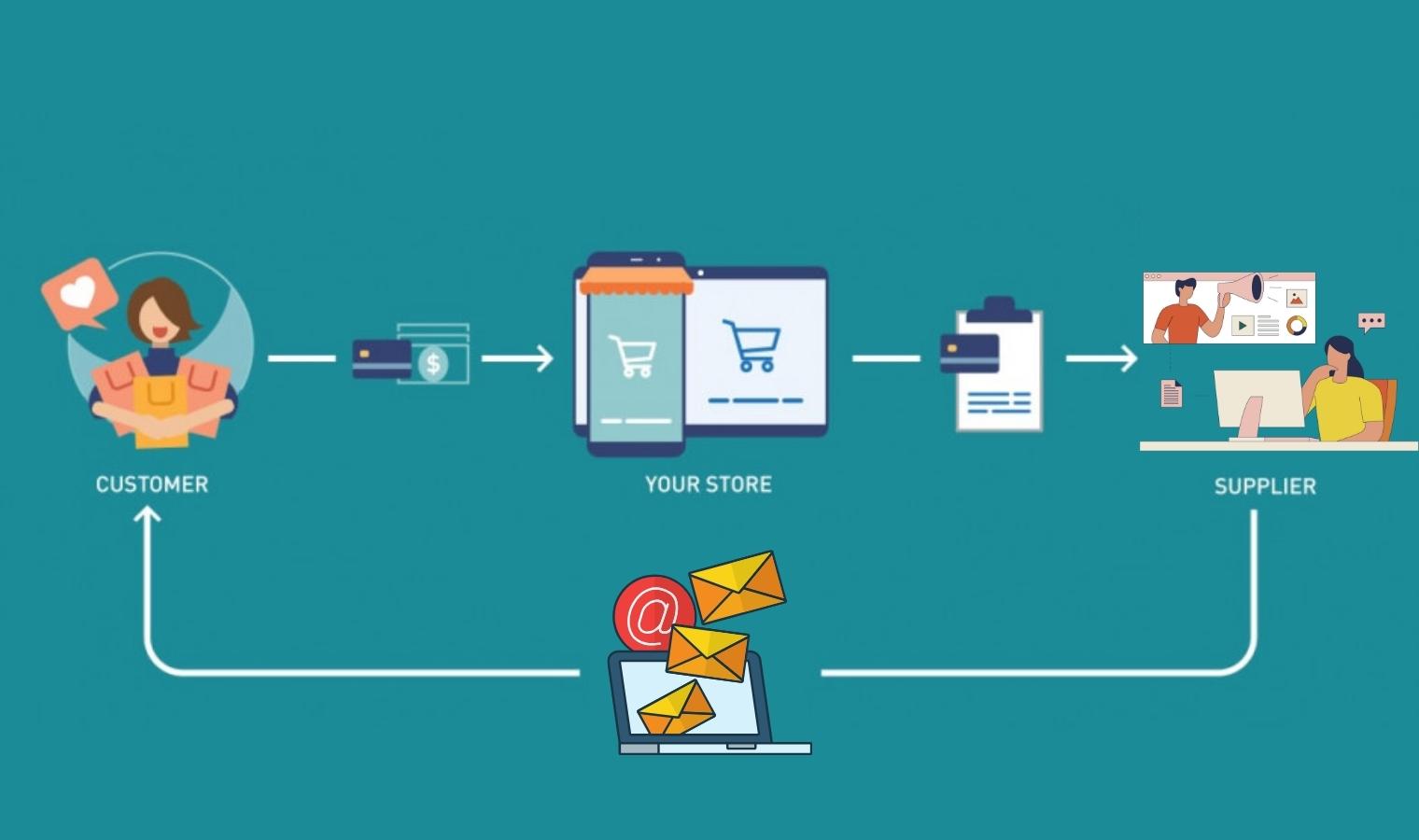
Credit: www.dsers.com
Getting Started With Dropshipping
Starting a dropshipping business with digital products can be a lucrative endeavor. With minimal investment and no need for physical inventory, it’s a popular choice for many entrepreneurs. Getting started with dropshipping involves a few key steps to ensure your business is set up for success. This guide will walk you through the initial stages, from choosing your niche to setting up your business operations.
Choosing Your Niche
Selecting the right niche is crucial for your dropshipping success. A niche is a specific segment of the market that you will focus on. Here are some tips to help you choose:
- Identify Your Interests: Choose a niche that you are passionate about. This will keep you motivated and make your business more enjoyable.
- Research Market Demand: Use tools like Google Trends and keyword research to find out what digital products are in demand.
- Analyze Competition: Look at your competitors and see how saturated the market is. Find a niche with demand but not too much competition.
- Consider Profitability: Ensure the products in your niche have a good profit margin. Digital products often have high margins since there are no manufacturing costs.
To make an informed decision, you can create a table to compare different niches:
| Niche | Interest Level | Market Demand | Competition | Profit Margin |
|---|---|---|---|---|
| Online Courses | High | High | Medium | High |
| E-books | Medium | Medium | Low | High |
| Software | High | High | High | Very High |
Setting Up Your Business
Once you have chosen your niche, the next step is to set up your dropshipping business. Here are some steps to get started:
- Register Your Business: Choose a business name and register it legally. This gives your business credibility.
- Create a Website: Build a professional website to showcase your digital products. Use platforms like Shopify or WooCommerce.
- Source Digital Products: Find reliable suppliers for your digital products. You can create your own or partner with creators.
- Set Up Payment Gateways: Integrate payment gateways like PayPal and Stripe to accept payments from customers.
- Market Your Products: Use SEO, social media, and email marketing to drive traffic to your website.
Here’s a simple checklist to ensure you have everything covered:
- Business name registered
- Professional website created
- Reliable digital product suppliers
- Payment gateways integrated
- Marketing plan in place
Setting up your business correctly from the start will save you time and effort in the long run. Make sure to follow these steps to build a solid foundation for your dropshipping venture.
Finding Digital Products
Dropshipping digital products is a smart way to start an online business. You don’t need to worry about storage or shipping. Finding the right digital products is crucial for success. Let’s dive into how to find these products.
Market Research Techniques
Conducting market research helps you understand what digital products are in demand. Use these techniques to find profitable niches:
- Google Trends: Check the popularity of different keywords.
- Social Media: Look at trending topics on platforms like Twitter and Facebook.
- Forums and Communities: Visit Reddit and niche forums to see what people are talking about.
- Competitor Analysis: Study competitors’ websites to see what they offer.
Use a table to compare the popularity of different niches:
| Digital Product Niche | Search Volume | Competition Level |
|---|---|---|
| eBooks | High | Medium |
| Online Courses | Medium | High |
| Software | Low | Low |
Focus on niches with high search volume and low competition. This increases your chances of success.
Sourcing Reliable Suppliers
Finding reliable suppliers for digital products is essential. Follow these steps to ensure quality:
- Research Online Marketplaces: Websites like Etsy and Creative Market offer a variety of digital products.
- Check Reviews: Read customer reviews to gauge the quality of the products.
- Test Products: Purchase a sample to ensure it meets your standards.
- Contact Suppliers: Reach out to suppliers to discuss bulk orders or customizations.
Use this checklist when evaluating suppliers:
- Product Quality
- Customer Support
- Delivery Speed
- Refund Policy
Choose suppliers with good reviews and responsive support. This ensures your customers receive high-quality products.
Creating An Online Store
Dropshipping digital products is a fantastic way to start an online business without worrying about inventory. Digital products include eBooks, software, and online courses. Creating an online store is the first step in this journey. This involves setting up a platform where customers can browse and purchase digital products. Let’s explore how to create an online store efficiently.
Selecting E-commerce Platforms
Choosing the right e-commerce platform is crucial. It determines the ease of managing your store and the user experience. Here are some popular e-commerce platforms:
- Shopify: Known for its user-friendly interface and extensive app store.
- WooCommerce: A WordPress plugin that offers flexibility and customization.
- BigCommerce: Provides robust features and scalability for growing businesses.
Consider these factors when selecting a platform:
| Factor | Description |
|---|---|
| Ease of Use | How easy it is to set up and manage your store. |
| Customization | The ability to tailor the store to your brand. |
| Cost | Monthly fees and transaction costs. |
| Support | Customer service and community support available. |
Shopify is great for beginners due to its simplicity. WooCommerce offers more customization for those familiar with WordPress. BigCommerce is ideal for larger stores needing more features.
Designing User-friendly Layouts
A well-designed layout enhances the user experience. Here are some tips for creating user-friendly layouts:
- Simple Navigation: Ensure that categories and menus are easy to find.
- Responsive Design: Make sure your store looks good on all devices, including mobile phones and tablets.
- Fast Loading Times: Optimize images and use efficient coding practices to reduce load times.
- Clear Call-to-Actions (CTAs): Use buttons and links to guide users to make a purchase.
Consider the following layout elements:
| Element | Purpose |
|---|---|
| Header | Contains logo, navigation menus, and search bar. |
| Hero Section | Highlights key products or promotions. |
| Product Listings | Displays digital products with images and descriptions. |
| Footer | Includes contact info, social media links, and additional navigation. |
A responsive design ensures your store is accessible on any device. Clear CTAs help users understand what action to take next. Fast loading times keep users from getting frustrated and leaving your site.

Credit: www.youtube.com
Marketing Your Products
Marketing your digital products effectively can make or break your dropshipping business. Understanding how to reach and engage your target audience is crucial. Here, we’ll explore essential strategies for marketing your digital products, focusing on utilizing social media and email marketing.
Utilizing Social Media
Social media platforms are powerful tools for reaching a broad audience. Leverage platforms like Facebook, Instagram, Twitter, and LinkedIn to showcase your digital products. Here’s how you can maximize their potential:
- Create engaging content: Use images, videos, and infographics to grab attention. Share tutorials, tips, and user testimonials.
- Use hashtags: Research trending hashtags related to your niche. This increases the visibility of your posts.
- Engage with your audience: Respond to comments, messages, and mentions. Building a community around your brand fosters loyalty.
- Run paid ads: Invest in targeted ads to reach specific demographics. Platforms like Facebook offer detailed targeting options.
Consider the following table to see how different platforms can be utilized:
| Platform | Best Use |
|---|---|
| Community building, ads, and sharing updates | |
| Visual content, stories, and influencer partnerships | |
| Quick updates, customer service, and trending topics | |
| Professional networking, B2B marketing, and articles |
Regular posting and consistent interaction are key to maintaining a strong presence. Use analytics tools to track performance and adjust your strategy accordingly.
Email Marketing Strategies
Email marketing remains one of the most effective ways to reach your customers. Building a robust email list ensures you have direct access to interested buyers. Here are some strategies to implement:
- Segment your audience: Divide your email list based on interests, purchase history, and engagement levels. This allows for personalized content.
- Create valuable content: Offer exclusive deals, informative articles, and product updates. This keeps your subscribers engaged.
- Use compelling subject lines: Write catchy subject lines to improve open rates. Make them intriguing but relevant.
- Automate your campaigns: Use email marketing tools to set up automated sequences. This ensures timely and consistent communication.
- Include clear CTAs: Encourage actions like visiting your website, making a purchase, or sharing the email. Make CTAs visible and straightforward.
Consider this example of an email sequence:
- Welcome email: Introduction and what to expect.
- Product showcase: Highlight top-selling digital products.
- Exclusive offer: Provide a discount or free trial.
- Follow-up: Request feedback or reviews.
Monitor open rates, click-through rates, and conversion rates to gauge the effectiveness of your campaigns. Adjust your strategy based on the data to optimize results.
Managing Customer Relationships
Managing customer relationships is crucial in dropshipping digital products. Building strong connections with customers ensures repeat business and positive reviews. Focusing on trust and handling inquiries effectively can set your business apart. Let’s explore the key strategies for managing customer relationships.
Building Trust With Customers
Building trust is essential for any dropshipping business. Trust encourages customers to buy from you again. Here are some ways to build trust:
- Transparency: Be clear about your products, pricing, and policies. Customers appreciate honesty.
- Quality Products: Offer high-quality digital products. Quality builds credibility.
- Secure Payment Options: Ensure all transactions are secure. Customers need to feel safe sharing their payment details.
Consider adding customer reviews on your website. Positive reviews build trust. Respond to reviews, both positive and negative. It shows you care about customer feedback.
Another way to build trust is by providing detailed product descriptions. Include screenshots or demo videos. Customers like to see what they are buying.
Below is a table summarizing key trust-building strategies:
| Strategy | Benefit |
|---|---|
| Transparency | Clear information builds trust |
| Quality Products | High-quality products enhance credibility |
| Secure Payment Options | Ensures customer safety |
| Customer Reviews | Builds social proof |
| Detailed Descriptions | Helps customers understand the product |
Handling Inquiries And Complaints
Handling inquiries and complaints effectively is crucial. Quick and helpful responses can turn an unhappy customer into a loyal one.
Here are some tips for managing inquiries and complaints:
- Respond Quickly: Aim to respond within 24 hours. Quick responses show you value your customers’ time.
- Be Polite and Professional: Always maintain a polite and professional tone. It helps in diffusing tense situations.
- Provide Clear Solutions: Offer clear and actionable solutions. Customers appreciate straightforward answers.
- Follow Up: After resolving an issue, follow up to ensure the customer is satisfied.
Using a customer service tool can streamline this process. Tools like Zendesk or Freshdesk can help manage and track inquiries efficiently.
Below is a sample response to a common complaint:
Dear [Customer Name],
Thank you for reaching out. We apologize for the inconvenience caused. We understand your concern regarding [issue]. We have looked into the matter and [solution].
Please let us know if this resolves your issue. We value your feedback and are here to help.
Best Regards,
[Your Name/Company]
Effective communication is key to managing customer relationships. Always aim to turn a negative experience into a positive one.
Setting Pricing Strategies
Setting pricing strategies for dropshipping digital products is crucial. Proper pricing can influence customer decisions and maximize profits. Understanding how to set competitive prices and leverage discounts can make your digital dropshipping business thrive.
Competitive Pricing Models
Creating a competitive pricing model is essential to stay ahead. Here are some strategies:
- Market Research: Study competitors’ prices. Know the average price for similar products. Adjust your prices accordingly.
- Cost-Plus Pricing: Add a markup to your product’s cost. Ensure the markup covers your expenses and desired profit margin.
- Value-Based Pricing: Price your products based on the value they provide. Higher value can justify higher prices.
- Dynamic Pricing: Adjust prices based on demand and market conditions. Use pricing tools to automate this process.
Here is a comparison table for different pricing models:
| Pricing Model | Advantages | Disadvantages |
|---|---|---|
| Market Research | Competitive edge | Time-consuming |
| Cost-Plus Pricing | Simple to implement | Ignores market conditions |
| Value-Based Pricing | Higher profits | Requires strong value proposition |
| Dynamic Pricing | Flexible and responsive | Can confuse customers |
Discounts And Promotions
Offering discounts and promotions can attract more customers. Here are some effective strategies:
- Limited-Time Offers: Create urgency. Encourage quick purchases by offering discounts for a short period.
- Bundle Discounts: Offer a discount on a bundle of products. This can increase the average order value.
- Seasonal Promotions: Align discounts with holidays and special events. This can boost sales during peak times.
- Loyalty Programs: Reward repeat customers with discounts. This can increase customer retention.
Here’s a sample promotion table:
| Promotion Type | Description | Benefit |
|---|---|---|
| Limited-Time Offer | 20% off for 48 hours | Increases urgency |
| Bundle Discount | Buy 2, get 1 free | Boosts average order value |
| Seasonal Promotion | Christmas sale, 30% off | Capitalizes on holiday shopping |
| Loyalty Program | 10% off for repeat customers | Encourages repeat purchases |
Ensuring Product Delivery
Dropshipping digital products offer many advantages, such as instant delivery and no inventory costs. One critical aspect is ensuring product delivery. Efficient delivery ensures customer satisfaction and builds trust. Here’s how to make sure your digital products reach your customers seamlessly.
Automating Digital Deliveries
Automating digital deliveries saves time and reduces errors. An automated system ensures that customers receive their purchases instantly. Here’s how you can automate your digital deliveries:
- Use an eCommerce platform with built-in automation: Platforms like Shopify and WooCommerce offer plugins for automatic digital delivery. These tools help manage and deliver digital products seamlessly.
- Implement email automation: Set up automated emails to deliver download links to customers. Tools like Mailchimp can help automate this process.
- Leverage digital delivery services: Services like SendOwl and FetchApp specialize in digital product delivery. They provide secure download links and track deliveries.
Here’s a comparison table of popular digital delivery services:
| Service | Features | Cost |
|---|---|---|
| SendOwl | Secure links, auto-expiry, analytics | $15/month |
| FetchApp | Unlimited products, easy integration | $5/month |
| E-Junkie | Instant downloads, pay-per-use | $5/month |
By automating digital deliveries, you ensure customers receive their products instantly. This enhances their experience and encourages repeat business.
Managing Licensing Issues
Managing licensing issues is crucial for digital products. Proper licensing ensures that your products are used legally and ethically. Here are some steps to manage licensing effectively:
- Clearly define licensing terms: Specify how customers can use the digital product. Include terms like single-use, multi-use, or unlimited use licenses.
- Use digital rights management (DRM) tools: DRM tools protect your digital products from unauthorized use. They control access and usage rights.
- Include license keys: Generate unique license keys for each purchase. License keys verify the legitimacy of the product and prevent piracy.
Here’s a quick guide to popular DRM tools:
| Tool | Features | Cost |
|---|---|---|
| Locklizard | PDF protection, watermarking | $500/year |
| Viper | Software licensing, analytics | $45/month |
| FLEXnet | Software monetization, cloud-based | Contact for pricing |
Managing licensing issues ensures that your digital products are protected. It helps you maintain control over their distribution and usage.
Analyzing Performance
Dropshipping digital products offers a unique advantage: no inventory worries. Yet, analyzing performance remains crucial. Understanding metrics and adjusting strategies can drive success. This section dives into these key aspects.
Tracking Sales Metrics
Tracking sales metrics is essential to understand your business performance. Keep an eye on these key metrics to gauge success:
- Conversion Rate: The percentage of visitors who make a purchase.
- Average Order Value (AOV): The average amount spent per order.
- Customer Acquisition Cost (CAC): The cost to acquire a new customer.
- Return on Investment (ROI): The profitability of your marketing efforts.
Using tools like Google Analytics or Shopify Analytics can help track these metrics. Here’s a simple table to illustrate the importance of each metric:
| Metric | Importance |
|---|---|
| Conversion Rate | Measures the effectiveness of your sales funnel. |
| Average Order Value | Indicates customer spending behavior. |
| Customer Acquisition Cost | Helps in budgeting marketing expenses. |
| Return on Investment | Shows the profitability of your strategies. |
Regularly monitor these metrics to understand what’s working. Make data-driven decisions to improve your dropshipping business.
Adjusting Strategies Based On Data
Analyzing data allows you to adjust strategies for better results. Here are steps to optimize your performance:
- Identify Trends: Look for patterns in your data. Spot seasonal trends or popular products.
- Optimize Marketing: Focus on channels that bring high ROI. Reduce spending on underperforming channels.
- Improve Product Listings: Enhance product descriptions and images. Make them more appealing to potential buyers.
- Refine Pricing Strategy: Adjust prices based on competition and customer behavior. Test different pricing models to find the sweet spot.
Using a data-driven approach helps in making informed decisions. For example, if a product has a low conversion rate, investigate the reasons:
- Is the product description clear and engaging?
- Are the images high-quality and relevant?
- Is the pricing competitive?
Make necessary adjustments and monitor the impact. Continuously refine your strategies to stay ahead in the dropshipping game.

Credit: www.shopify.com
Frequently Asked Questions
What Is Dropshipping Digital Products?
Dropshipping digital products involves selling downloadable items like e-books, software, or courses. You don’t hold inventory. Instead, you sell the product, and the supplier delivers it directly to the customer.
How To Start Dropshipping Digital Products?
To start, choose a niche, find reliable suppliers, and create an online store. Then, market your products using SEO, social media, and email campaigns.
Are Digital Products Profitable?
Yes, digital products often have high profit margins. They don’t require inventory storage or shipping costs. This makes them a lucrative option for dropshipping.
What Platforms Are Best For Dropshipping Digital Products?
Platforms like Shopify, WooCommerce, and Etsy are excellent for dropshipping digital products. They offer user-friendly interfaces and multiple integrations to streamline your business.
Conclusion
Mastering the art of dropshipping digital products can greatly boost your online business. Focus on quality, marketing, and customer service. By implementing these strategies, you can achieve success and build a loyal customer base. Start today and watch your digital product sales soar.
Happy dropshipping!