To create a website to sell digital products, choose an site building platforms platform and integrate secure payment gateways. Optimize your site for user experience and SEO.
In the digital age, selling digital products has become a lucrative and accessible venture. Whether you’re selling e-books, online courses, music, or software, creating a website tailored for digital product sales is essential for success. This guide will walk you through the process of building such a website, ensuring it’s optimized for both functionality and user experience.
Why Create a Website for Digital Products?
A dedicated website gives you control over branding, customer experience, and profit margins. Unlike third-party marketplaces, your website allows you to set your pricing, build customer relationships, and establish a professional online presence. Plus, a website is a hub for showcasing your portfolio and building long-term trust.
Start Cheap and Easy with WordPress
Want to sell digital products without breaking the bank? Building a website with WordPress is the cheapest and easiest way to start! It’s beginner-friendly, flexible, and perfect for launching your online store fast. Prefer a readymade solution? Platforms like Shopify or Wix are great alternatives, but WordPress keeps costs low. Here’s how to kickstart your WordPress site.
Why WordPress?
WordPress is free, powers over 40% of websites, and works with affordable hosting like Hostinger (starting at $2.99/mo with a free domain). It’s SEO-friendly, helping your site rank on Google, and supports plugins like WooCommerce for selling eBooks, courses, or templates.
Simple Steps to Start
-
Get a Domain and Hosting: Buy a domain from Namecheap or Hostinger.
-
Install WordPress: Use Hostinger’s one-click WordPress setup to get started in seconds.
-
Choose a Theme: Pick a free theme like Astra for a clean, fast, and professional look.
-
Add Plugins: Install WooCommerce (free) for your store and Yoast SEO to boost search rankings.
-
Design and Launch: Customize your site with WordPress’s tools or Elementor (free). Test pages, add products, and go live!
WordPress vs. Readymade Platforms
WordPress keeps costs low with free tools and cheap hosting, unlike readymade platforms like Shopify or Wix, which charge monthly fees ($29–$39/mo). While those platforms are user-friendly, WordPress offers more control and savings, ideal for budget-conscious beginners.
With WordPress, you can launch a professional site for under $50/year. It’s the smart, affordable way to sell digital products. Next, let’s dive into choosing the right platform for your needs!
Credit: easydigitaldownloads.com
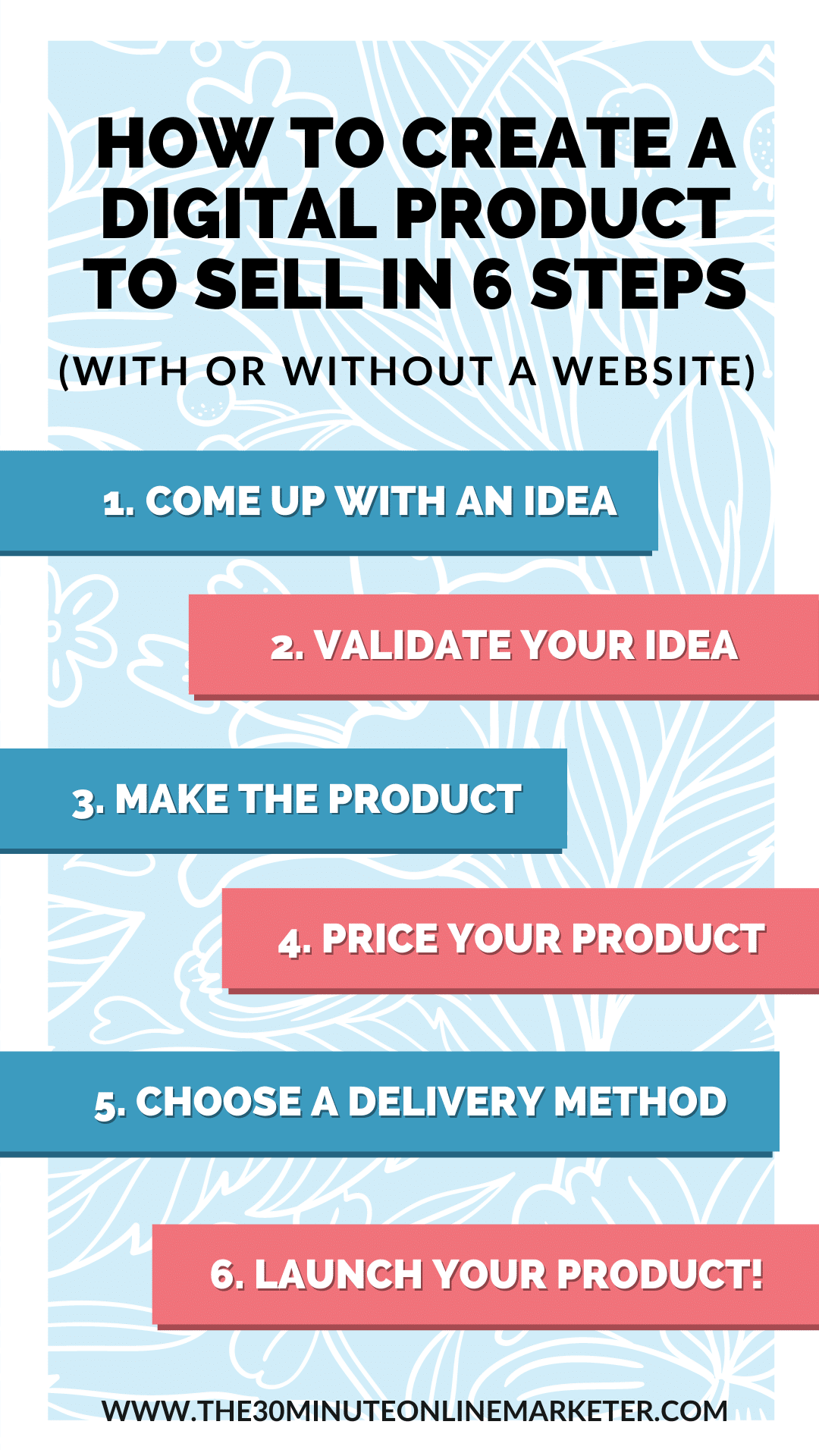
Explore Other Platforms for Your Online Store (Alternative Way)
Choosing the right platform is crucial for selling digital products. The platform you select will impact your store’s success. Let’s explore some popular alternative options and their key features.
Popular Options
There are many platforms available to make your website. Each has its strengths and weaknesses. Here are some of the most popular:
- System io (Signing up for a FREE account)
- Shopify
- WooCommerce
- BigCommerce
- Wix
Key Features
Each platform offers unique features. Choose one that meets your needs.
| Platform | Features |
|---|---|
| Systeme.io | Funnel and blog builder Email campaigns Course creation One-click upsells Automation features |
| Shopify | User-friendly interface Secure payment options 24/7 customer support |
| WooCommerce | Highly customizable Integration with WordPress Large community support |
| BigCommerce | Scalable solutions Advanced SEO tools Multi-channel selling |
| Wix | Drag-and-drop builder Beautiful templates Beginner-friendly |
Credit: www.the30minuteonlinemarketer.com
Setting Up Your Domain
Creating a website to sell digital products starts with setting up your domain. Your domain name is your address on the internet. It’s how customers find you. Let’s explore the key steps to set up your domain.
Domain Name Tips
Choosing the right domain name is crucial. Follow these tips to make a smart choice:
- Keep it short: Short names are easy to remember.
- Make it relevant: Your domain should reflect your products.
- Avoid numbers and hyphens: These can confuse users.
- Use keywords: Keywords help with search engine ranking.
Registering A Domain
Once you have chosen your domain name, it’s time to register it. Follow these steps:
- Choose a domain registrar. Popular options include GoDaddy, Namecheap, and Google Domains.
- Search for your chosen domain name. Ensure it is available.
- Select the registration period. You can choose from one to ten years.
- Fill in your contact details. This information is required by ICANN.
- Complete the purchase. Your domain is now registered.
Keep your registration details safe. You will need them to manage your domain.
Designing Your Website
Designing your website is a crucial step in selling digital products. Your design should be both attractive and functional. It should guide users smoothly through the purchasing process.
Essential Pages
Your website needs several essential pages. These pages help customers find what they need quickly. Here are some of the must-have pages:
- Home Page: This is your website’s first impression. It should be clean and inviting.
- Product Page: Showcase your digital products here. Include clear images and descriptions.
- About Page: Share your story and mission. Build trust with your visitors.
- Contact Page: Provide ways for customers to reach you. Include a contact form and email address.
- FAQ Page: Answer common questions. Help users understand your products better.
User-friendly Layout
A user-friendly layout is key to keeping visitors on your site. Make navigation simple and intuitive. Here are some tips:
- Clear Navigation: Use a simple menu with clear labels. Make it easy for users to find what they need.
- Responsive Design: Ensure your site looks great on all devices. Test it on mobile phones and tablets.
- Fast Loading Times: Optimize your images and code. Slow websites lose visitors.
- Readable Fonts: Choose easy-to-read fonts. Avoid using too many different fonts.
- Call to Action: Include clear calls to action. Encourage users to buy or learn more.
| Element | Importance |
|---|---|
| Home Page | First impression, navigation hub |
| Product Page | Showcase products, detailed info |
| About Page | Build trust, share mission |
| Contact Page | Customer inquiries, support |
| FAQ Page | Common questions, help users |
By following these tips, your website can attract and retain customers. Ensure every page and element serves a purpose. This makes the user experience smooth and enjoyable.
Adding Digital Products
Creating a website to sell digital products requires a detailed approach. Adding digital products is a crucial step. This involves selecting the right formats and uploading files correctly. Let’s dive into these aspects.
Product Formats
Digital products come in various formats. Common formats include PDF, MP3, and MP4. These formats cater to different types of content. PDFs are ideal for eBooks and guides. MP3s work best for audio files like music or podcasts. MP4s are great for video content such as tutorials or courses.
Choose the format that best suits your product. Ensure your customers can easily access and use it. Always consider the user experience.
Uploading Files
Uploading files to your website is a straightforward process. Follow these steps to ensure a smooth upload:
- Log in to your website’s admin panel.
- Navigate to the Products section.
- Click on Add New Product.
- Fill in the product details such as name and description.
- Scroll down to the Downloadable Files section.
- Click on the Upload button.
- Select the file from your computer and upload it.
- Save or publish your product.
Ensure your file sizes are manageable for faster downloads. Compress files if necessary to enhance user experience.
Your digital product is now available for purchase. Regularly update your products to keep them relevant and engaging.
Setting Up Payments
Setting up payments is a vital step in selling digital products online. Ensuring smooth and secure transactions builds trust with your customers. This guide will help you set up payments efficiently.
Payment Gateways
Choosing the right payment gateway is essential. Payment gateways process transactions and ensure money reaches your account.
- PayPal: Widely used and trusted globally.
- Stripe: Popular for its developer-friendly API.
- Square: Simple and easy to integrate.
Consider transaction fees, ease of use, and customer support when choosing a gateway. Most platforms allow you to integrate multiple gateways for flexibility.
Security Measures
Security is crucial in online transactions. Protecting customer data is a priority.
- SSL Certificates: Encrypts data between your site and users.
- PCI Compliance: Adheres to standards for secure transactions.
- Two-Factor Authentication: Adds an extra layer of security.
Use secure plugins and regularly update your site to prevent vulnerabilities. Make sure to display security badges on your site to build customer trust.

Credit: m.youtube.com
Marketing Your Website
Marketing your website is crucial to sell digital products. Effective marketing drives traffic and increases sales. Let’s explore some strategies.
Seo Basics
Search Engine Optimization (SEO) helps your website rank higher on search engines. Higher ranks mean more visibility and traffic.
- Keyword Research: Find keywords related to your digital products. Use tools like Google Keyword Planner.
- On-Page SEO: Optimize titles, meta descriptions, and headers. Include your main keyword.
- Quality Content: Write engaging and informative content. Use keywords naturally.
- Internal Linking: Link to other pages on your site. This keeps users on your site longer.
- Mobile-Friendly Design: Ensure your site works well on mobile devices. Google favors mobile-friendly sites.
Social Media Strategies
Social media platforms are powerful tools for marketing. They help you reach a broader audience and engage with potential customers.
- Create Business Accounts: Make professional accounts on platforms like Facebook, Instagram, and Twitter.
- Share Valuable Content: Post content that adds value to your audience. Share tips, tutorials, and product updates.
- Engage with Followers: Respond to comments and messages. Build a community around your brand.
- Paid Advertisements: Use paid ads to target specific audiences. This can increase your website traffic.
- Collaborate with Influencers: Partner with influencers in your niche. They can promote your digital products to their followers.
Frequently Asked Questions
How Do I Start Selling Digital Products Online?
Choose a platform, create your website, add products, and set up payment methods.
What Platform Is Best For Digital Products?
Shopify, WooCommerce, and Gumroad are popular for selling digital products.
How Can I Market My Digital Products?
Use social media, email marketing, and SEO strategies to reach your target audience.
Do I Need A Payment Gateway?
Yes, to process transactions securely, integrate a reliable payment gateway like PayPal or Stripe.
Conclusion
Creating a website to sell digital products is a valuable endeavor. Follow the steps outlined to ensure success. Use user-friendly design, secure payment methods, and effective marketing strategies. Keep your content fresh and engaging. With the right approach, your online store can thrive and generate significant revenue.
Start building your digital marketplace today!