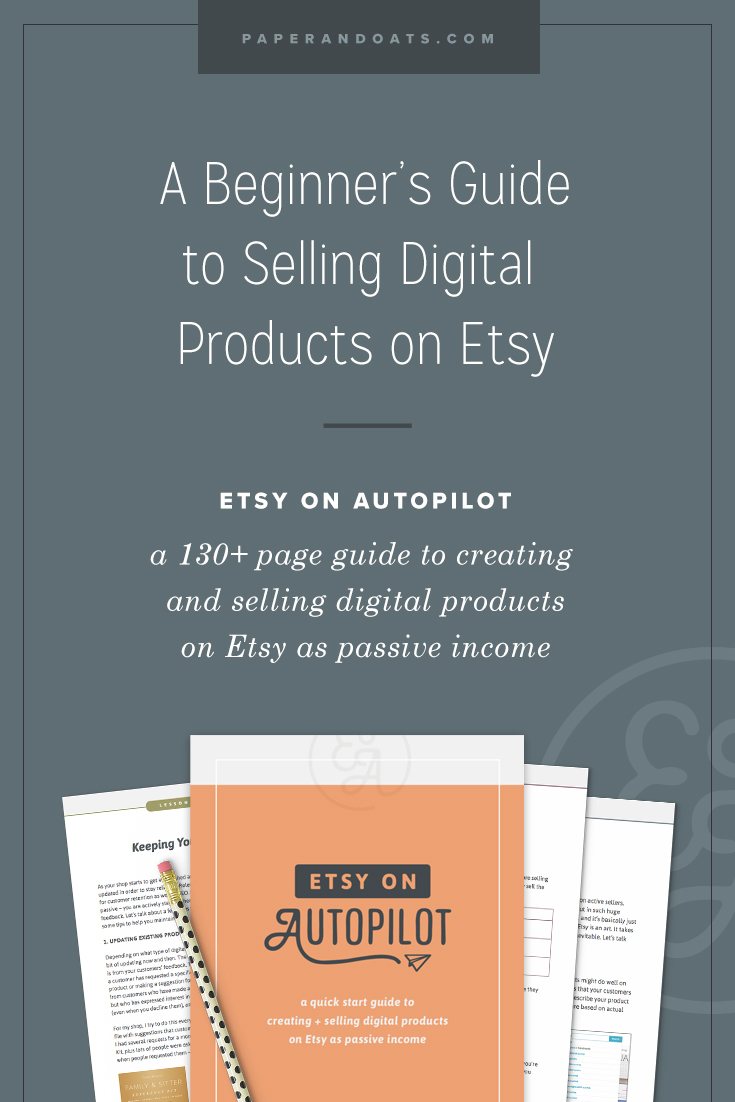
To promote digital products, leverage social media platforms and email marketing to reach your target audience. Utilize content marketing to drive traffic and generate interest.
Promoting digital products effectively involves strategic use of digital channels. Social media platforms like Facebook, Instagram, and Twitter offer vast audiences and targeted advertising options. Email marketing remains powerful for reaching engaged customers with personalized offers and updates. Content marketing, including blogs, videos, and infographics, helps build authority and attract organic traffic.
Collaborating with influencers in your niche can expand your reach and credibility. Search engine optimization (SEO) ensures your content ranks well in search results, driving more traffic to your site. These methods combined create a robust marketing strategy for digital products.

Credit: m.youtube.com
Identifying Target Audience
Identifying your target audience is essential for promoting digital products. Knowing who your audience is can increase sales. It ensures your marketing efforts reach the right people.
Conducting Market Research
Conducting market research helps you understand your audience better. Use tools like Google Analytics to gather data. Look at demographics, interests, and behaviors.
Consider using surveys to ask potential customers about their needs. This information will help tailor your product and marketing strategy.
| Tool | Purpose |
|---|---|
| Google Analytics | Understand website traffic and user behavior |
| Surveys | Gather direct feedback from potential customers |
Creating Customer Personas
Creating customer personas helps visualize your ideal customers. A customer persona is a fictional character representing a segment of your audience. It includes details like age, job, interests, and challenges.
- Identify common traits in your audience.
- Give each persona a name and background.
- Include their goals and pain points.
Use this information to craft targeted marketing messages. Personalize your promotions to resonate with each persona.
Credit: easydigitaldownloads.com
Leveraging Social Media
Leveraging social media is essential for promoting digital products. Social platforms provide access to a vast audience. They allow for direct engagement with potential customers.
Choosing The Right Platforms
Choosing the right platforms is crucial. Some platforms work better for certain products. Here is a table to help you decide:
| Platform | Best For |
|---|---|
| General audience, community building | |
| Visual products, younger audience | |
| Professional services, B2B products | |
| Real-time updates, tech-savvy audience | |
| DIY, crafts, lifestyle products |
Crafting Engaging Content
Crafting engaging content is key. Use a mix of formats to keep it interesting.
- Images: High-quality photos grab attention.
- Videos: Short clips can explain your product quickly.
- Infographics: These are great for sharing data.
- Stories: Share testimonials or user experiences.
Use bold text to highlight important points. This makes your content easier to read. Keep sentences short and simple for better understanding.
Engage with your audience. Reply to comments and messages quickly. This builds trust and a loyal community. Use hashtags to reach a broader audience. Create a unique hashtag for your brand.
Run contests and giveaways. This boosts visibility and engagement. Always monitor your analytics. Adjust your strategy based on what works best.
Utilizing Email Marketing
Utilizing Email Marketing is a powerful strategy to promote digital products. Email marketing lets you reach your audience directly. It allows for personalized and targeted communication.
Building An Email List
Building an email list is the first step. Start by creating an opt-in form. Place it on your website and landing pages. Offer a freebie to encourage sign-ups. This could be an eBook or a discount code.
Segment your email list. Group your subscribers based on their interests. This helps in sending targeted emails. Use a double opt-in process. This ensures your list is clean and engaged.
Designing Effective Campaigns
Designing effective campaigns is crucial. Craft compelling subject lines. They should be catchy and relevant. Personalize your emails. Use the subscriber’s name in the email.
Keep your content short and engaging. Use bullet points and images. Highlight the benefits of your digital products. Include a clear call-to-action (CTA). Make sure it stands out.
Use A/B testing. Test different subject lines and content. Analyze the results. Optimize your campaigns based on the data.
| Element | Tips |
|---|---|
| Subject Line | Keep it short and catchy. |
| Content | Use bullet points and images. |
| Call-to-Action | Make it clear and visible. |
Credit: mollyhostudio.com
Collaborating With Influencers
Collaborating with influencers is a powerful way to promote digital products. Influencers have loyal audiences that trust their recommendations. This trust can translate into higher sales for your digital products.
Finding Suitable Influencers
Identify influencers who align with your brand values. Use tools like BuzzSumo or Influencity to find influencers in your niche.
Look for influencers with high engagement rates. Check their followers’ comments and likes. This shows that their audience is active and interested.
Create a list of potential influencers. Include their social media handles, follower count, and engagement rate. Here is a sample table to organize your list:
| Influencer Name | Social Media Handle | Follower Count | Engagement Rate |
|---|---|---|---|
| Jane Doe | @janedoe | 50,000 | 5% |
| John Smith | @johnsmith | 75,000 | 6% |
Negotiating Partnerships
Approach influencers with a clear offer. Mention the benefits they will receive. These could be monetary payment, free products, or exposure.
Be transparent about your expectations. Specify how many posts or stories you need. Include details about the content type and posting schedule.
Use bullet points to outline your agreement:
- Number of posts: 3
- Content type: Instagram Stories
- Posting schedule: Weekly
Track the performance of these collaborations. Use tools like Google Analytics or Bitly for link tracking. This helps you understand the ROI of your influencer campaigns.
Optimizing For Search Engines
Optimizing for Search Engines is crucial for promoting digital products. Search engines drive a lot of traffic. This traffic can turn into customers. To rank high, you must optimize your content. This involves several steps.
Conducting Keyword Research
Start with keyword research. Use tools like Google Keyword Planner. Find words people search for. Focus on long-tail keywords. They often have less competition. They also target specific searches.
Create a list of these keywords. Use them in your content. Make sure they fit naturally. Avoid keyword stuffing. It can hurt your ranking.
Creating Seo-friendly Content
Next, create SEO-friendly content. Use your keywords in titles. Also, use them in headings. Make your content readable. Use short sentences. Break text into small paragraphs.
Include bullet points and lists:
- Use keywords in the first paragraph
- Include keywords in image alt text
- Add internal links to other pages
- Use external links to credible sites
Also, use meta descriptions. They should be clear. Include your main keyword in the meta description. They help search engines understand your page.
Here’s an example of how to structure your content:
| Element | SEO Tip |
|---|---|
| Title | Include primary keyword |
| Headings | Use keywords in H1, H2, H3 tags |
| Body Text | Use keywords naturally |
| Images | Include keywords in alt text |
| Meta Description | Include primary keyword |
Remember, quality content is key. Search engines love fresh, unique content. Update your content regularly. This keeps it relevant.
Offering Promotions And Discounts
Offering promotions and discounts can significantly boost your digital product sales. Promotions attract new customers and encourage repeat purchases. Discounts create urgency and drive conversions. This section explores effective strategies for maximizing the impact of promotions and discounts.
Planning Limited-time Offers
Limited-time offers create a sense of urgency. Customers feel compelled to act quickly to avoid missing out. To plan effective limited-time offers, follow these steps:
- Identify the goal: Decide if you want to increase sales, clear inventory, or attract new customers.
- Set a time frame: Choose a short period, like 24 hours or a weekend.
- Promote the offer: Use email marketing, social media, and your website to announce the offer.
- Monitor the results: Track sales and engagement to measure the offer’s success.
Utilizing Coupon Codes
Coupon codes are an effective way to offer discounts. They are easy to distribute and track. Here are some best practices for using coupon codes:
- Create unique codes: Use different codes for different campaigns.
- Specify terms and conditions: Clearly state the discount amount, expiration date, and any restrictions.
- Promote the codes: Share them through email, social media, and your website.
- Analyze performance: Track usage and sales to understand the effectiveness of each code.
Here is a sample table to summarize the key points:
| Strategy | Key Steps |
|---|---|
| Planning Limited-Time Offers |
|
| Utilizing Coupon Codes |
|
Frequently Asked Questions
How Can I Market Digital Products Effectively?
Leverage social media, email marketing, and SEO to reach your target audience. Collaborate with influencers for wider exposure.
What Are The Best Platforms For Digital Products?
Popular platforms include Shopify, Etsy, and Amazon. These sites offer broad reach and easy integration for digital products.
How Do I Attract More Customers Online?
Offer valuable content, use targeted ads, and engage with your audience on social media. Optimize your website for SEO.
Why Should I Use Email Marketing For Digital Products?
Email marketing builds relationships and keeps customers informed. It’s cost-effective and drives repeat sales through personalized content.
Conclusion
Promoting digital products requires a strategic approach. Utilize social media, email marketing, and SEO to reach your audience. Engaging content and strong visuals can enhance your promotional efforts. Stay consistent and adapt to market trends. By following these tips, you can effectively boost your digital product sales and visibility.