Digital Product Management involves overseeing the lifecycle of digital products from conception to delivery. It includes strategy, development, and customer feedback.
Digital Product Management is crucial in today’s tech-driven world. It ensures that digital products meet market demands and user needs. This role requires understanding customer pain points and translating them into product features. Effective management involves collaboration with cross-functional teams, including developers, designers, and marketers.
Prioritizing tasks and setting clear timelines are essential. Metrics and feedback guide continuous improvement. In essence, Digital Product Management bridges the gap between business goals and user satisfaction. It plays a vital role in delivering successful digital solutions, driving growth, and staying competitive in the market.

Credit: www.starcio.com
Introduction To Digital Product Management
Digital Product Management is a crucial field today. It helps create and maintain digital products. These products include software, apps, and websites. Understanding this field is essential for modern businesses.
Definition
Digital Product Management involves guiding the creation, launch, and improvement of digital products. A digital product manager oversees the product lifecycle. This includes research, development, marketing, and customer feedback.
Importance In Modern Business
In today’s digital age, businesses rely on technology. Digital products are key to success. Effective digital product management ensures products meet user needs. This leads to higher customer satisfaction and loyalty.
Here are some reasons why digital product management is important:
- Innovation: It drives new ideas and solutions.
- Efficiency: It improves product development processes.
- Market Competitiveness: It helps businesses stay ahead of competitors.
- Customer Focus: It ensures products align with customer needs.
Digital Product Managers play a vital role. They balance business goals with user satisfaction. This balance is key to a product’s success in the market.
Core Responsibilities
Understanding the core responsibilities of a Digital Product Manager is essential. These responsibilities ensure the success of any digital product. They guide the product from conception to launch and beyond.
Product Vision
A strong product vision is the foundation. Digital Product Managers must create and communicate this vision. It aligns the team and sets a clear direction. They focus on the user experience and business goals. This vision helps in making strategic decisions. It also ensures the product meets market demands.
Market Research
Market research is crucial for understanding user needs. Managers gather data on competitors and market trends. They analyze this data to identify opportunities. This research informs product features and improvements. It ensures the product stays relevant and competitive.
| Responsibility | Description |
|---|---|
| Product Vision | Defines the long-term goal and direction of the product. |
| Market Research | Collects and analyzes data to understand market needs and trends. |
Essential Skills
Digital Product Management is a dynamic and multifaceted field. To excel, you need a blend of technical and leadership skills. This section delves into these essential skills.
Technical Proficiency
Technical proficiency is crucial for a digital product manager. You must understand software development and digital tools. Knowing programming languages is a plus. Familiarity with Agile and Scrum methodologies is essential. Data analytics skills help in making informed decisions.
| Skill | Description |
|---|---|
| Software Development | Understand coding and development processes. |
| Agile Methodologies | Implement Agile and Scrum for project management. |
| Data Analytics | Analyze data to make informed decisions. |
| Digital Tools | Use tools like JIRA and Trello for task management. |
Leadership Qualities
Leadership qualities are vital for managing teams and projects. You need to inspire and motivate your team. Effective communication ensures everyone is on the same page. Decision-making skills help in navigating challenges. Conflict resolution skills maintain a positive work environment.
- Inspiration: Motivate your team to achieve goals.
- Communication: Ensure clear and effective communication.
- Decision-Making: Make informed decisions quickly.
- Conflict Resolution: Handle conflicts smoothly.
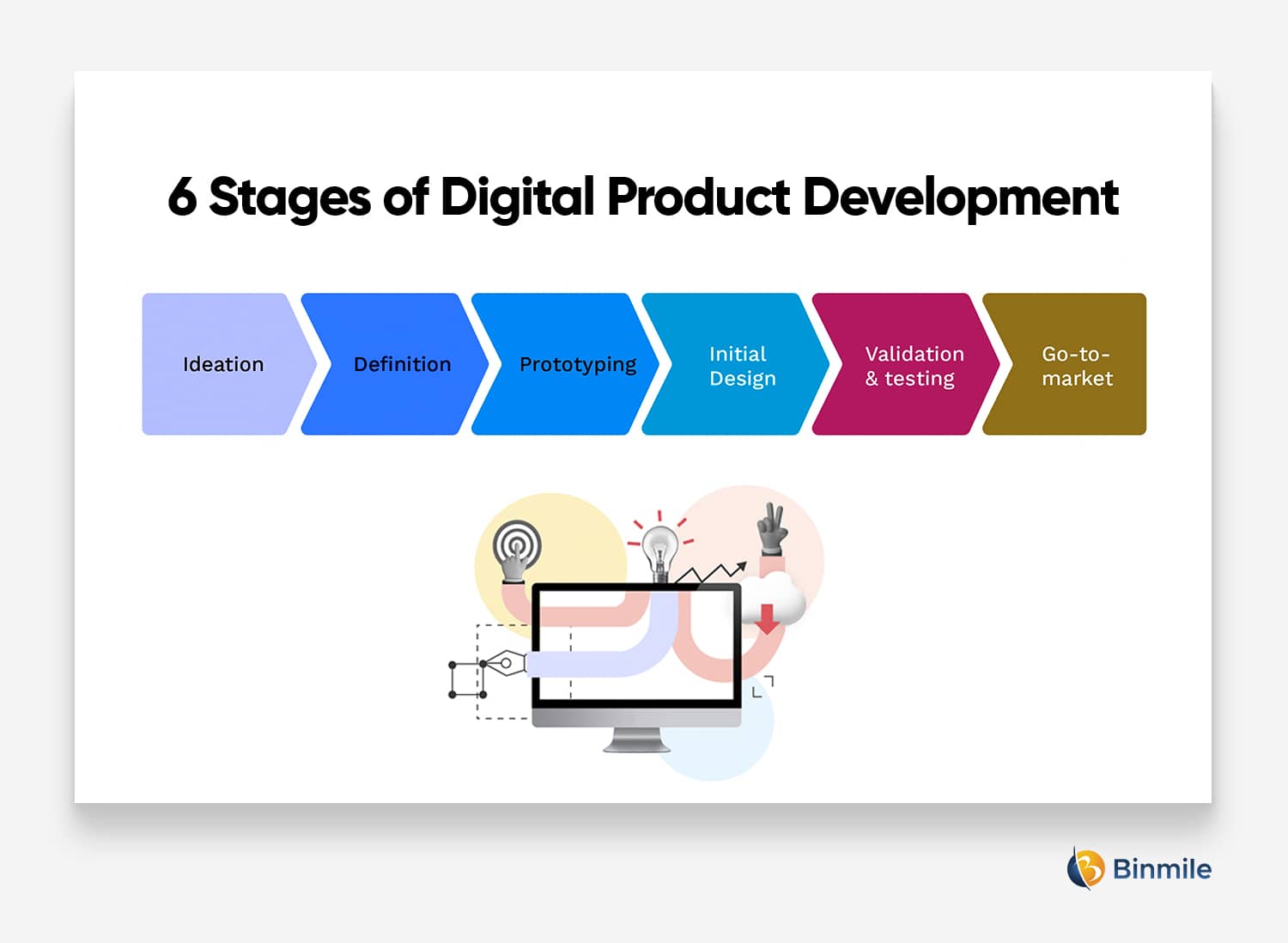
Credit: binmile.com
Key Strategies
Digital Product Management involves various strategies. These strategies help in creating successful digital products. Two key strategies are Agile Methodology and User-Centric Design.
Agile Methodology
Agile Methodology is a flexible way to manage projects. It focuses on delivering small parts of the product quickly. This helps in getting fast feedback and making quick changes.
The Agile process includes:
- Planning
- Designing
- Developing
- Testing
- Reviewing
Each step repeats in cycles called sprints. Sprints usually last 2 to 4 weeks. Teams work together to complete tasks during each sprint.
User-centric Design
User-Centric Design focuses on the needs of the users. It ensures the product is easy to use and meets user expectations.
Key steps in User-Centric Design are:
- Researching user needs
- Creating user personas
- Designing user interfaces
- Testing with real users
- Iterating based on feedback
This approach helps in creating products that users love. It improves user satisfaction and loyalty.
Challenges Faced
Digital Product Management is a challenging field. Professionals navigate a host of obstacles. These challenges can hinder progress and affect outcomes. Let’s explore two significant challenges faced.
Stakeholder Alignment
Aligning stakeholders is crucial in digital product management. Stakeholders often have diverse goals and expectations. Balancing these priorities is not easy. It requires clear communication and negotiation skills.
Misalignment can lead to project delays. It may also result in wasted resources. To overcome this, regular meetings are essential. These meetings help ensure everyone stays on the same page.
Rapid Technological Changes
Technology evolves at a rapid pace. Keeping up with these changes is tough. New tools and platforms emerge frequently. Digital product managers must stay updated.
Adapting to new technologies requires continuous learning. It also demands quick decision-making. Failure to adapt can lead to outdated products. This can impact the product’s success in the market.
To manage these changes, consider the following strategies:
- Attend industry conferences.
- Subscribe to tech newsletters.
- Engage in online communities.
These strategies help stay ahead in a fast-changing environment.
Future Trends
The future of digital product management is bright. Emerging trends are shaping the landscape. These trends include AI, automation, and data-driven decisions. Let’s explore these trends in detail.
Ai And Automation
AI and automation are transforming digital product management. They streamline processes and enhance productivity. AI helps in predicting user behavior. Automation handles repetitive tasks efficiently.
AI tools analyze vast amounts of data quickly. They offer insights that humans might miss. Automation tools ensure consistency and accuracy. Together, they free up time for creative tasks.
Data-driven Decisions
Data-driven decisions are crucial in digital product management. They help in understanding user needs and behaviors. Data analytics tools provide valuable insights.
Using data, managers can make informed choices. They can track user engagement and product performance. This helps in optimizing products for better user experience.
Data also aids in identifying trends and patterns. It supports strategic planning and forecasting. This approach leads to better decision-making and product success.
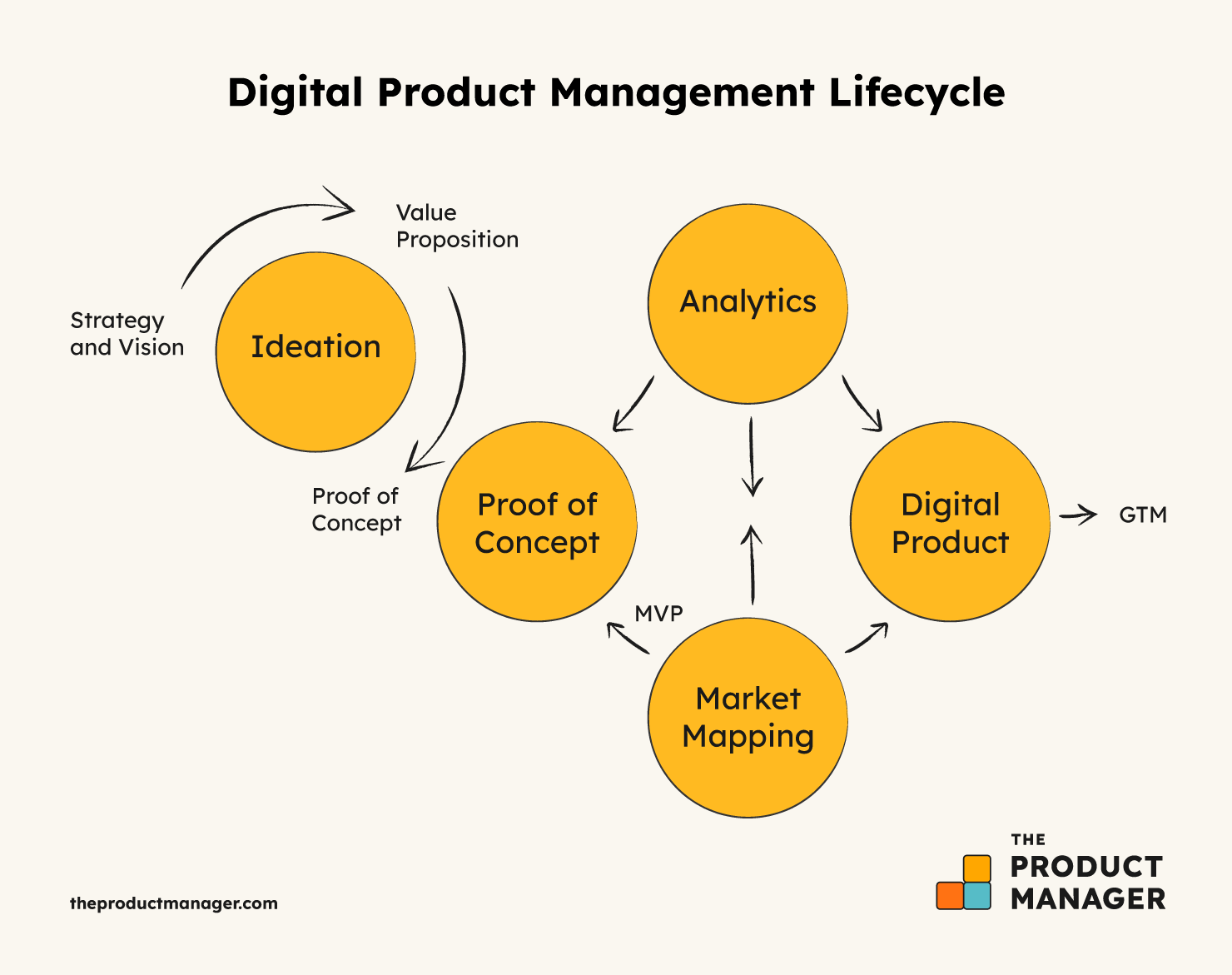
Credit: theproductmanager.com
Frequently Asked Questions
What Is Digital Product Management?
Digital product management involves planning, developing, and overseeing digital products to ensure they meet customer needs and business goals.
Why Is Digital Product Management Important?
It ensures digital products are user-friendly, aligned with business objectives, and competitive in the market.
What Skills Are Needed For Digital Product Management?
Key skills include product strategy, market analysis, user experience design, and project management.
How Does Digital Product Management Differ From Traditional?
Digital product management focuses on online platforms and software, while traditional focuses on physical products.
Conclusion
Digital product management is crucial for successful digital offerings. It helps align products with user needs and business goals. Mastering this discipline can lead to innovative solutions and market leadership. Embrace digital product management to stay competitive and deliver exceptional user experiences.
Keep learning and adapting to thrive in the digital landscape.