Digital Media Production involves creating, editing, and managing digital content for various platforms. It includes videos, graphics, audio, and interactive media.
Digital media production has become essential in today’s digital age. It covers a range of activities, from video production and graphic design to audio editing and interactive media creation. Businesses, content creators, and marketers use digital media to engage audiences and convey messages effectively.
Professionals in this field utilize specialized software and tools to produce high-quality content. The goal is to captivate, inform, and entertain viewers through visually appealing and engaging media. With the rise of social media and online platforms, digital media production plays a crucial role in brand building and audience engagement.

Credit: m.youtube.com
Introduction To Digital Media Production
Digital media production is the process of creating digital content. This content can be videos, podcasts, images, or any other digital material. Digital media is everywhere today. Understanding its production is vital.
Defining Digital Media
Digital media refers to content stored in digital formats. This includes text, audio, video, and graphics. Digital media can be easily shared and accessed. Examples are websites, social media posts, and online videos.
- Text: Blogs, articles, ebooks
- Audio: Podcasts, music tracks
- Video: Online tutorials, movies
- Graphics: Infographics, digital art
Importance In Modern Times
Digital media is crucial today. It connects people globally. Businesses use it for marketing. Education relies on digital content for learning. Entertainment has shifted to digital platforms.
| Category | Example |
|---|---|
| Marketing | Social media ads, email campaigns |
| Education | Online courses, e-learning videos |
| Entertainment | Streaming services, online games |
Digital media production skills are in high demand. Learning these skills opens up many opportunities.
Key Components
Understanding the Key Components of digital media production is crucial. These components ensure the creation of high-quality content. Let’s delve into the essential parts that make up this exciting field.
Audio Production
Audio production involves creating and editing sounds. It includes recording voices, music, and effects. Quality audio enhances the user experience. Tools like microphones and audio software are essential. Popular software includes Audacity and Adobe Audition. These tools help in mixing and mastering sounds. Good audio can make a video more engaging. It is a vital part of digital media.
Video Production
Video production is another key component. It involves capturing and editing video footage. High-quality video attracts more viewers. Essential tools include cameras and video editing software. Popular software includes Adobe Premiere Pro and Final Cut Pro. Video production also involves adding effects and transitions. Good video production can convey a message effectively. It plays a crucial role in digital media.
Graphic Design
Graphic design is all about creating visual content. It involves using design software to create images and layouts. Popular software includes Adobe Photoshop and Illustrator. Good graphic design makes content visually appealing. It helps in communicating messages clearly. Graphic design is used in websites, ads, and social media. It is an important component of digital media production.
Tools And Software
Digital media production relies heavily on various tools and software. These tools help create, edit, and produce high-quality content. Let’s explore the key tools and software used in digital media production.
Editing Software
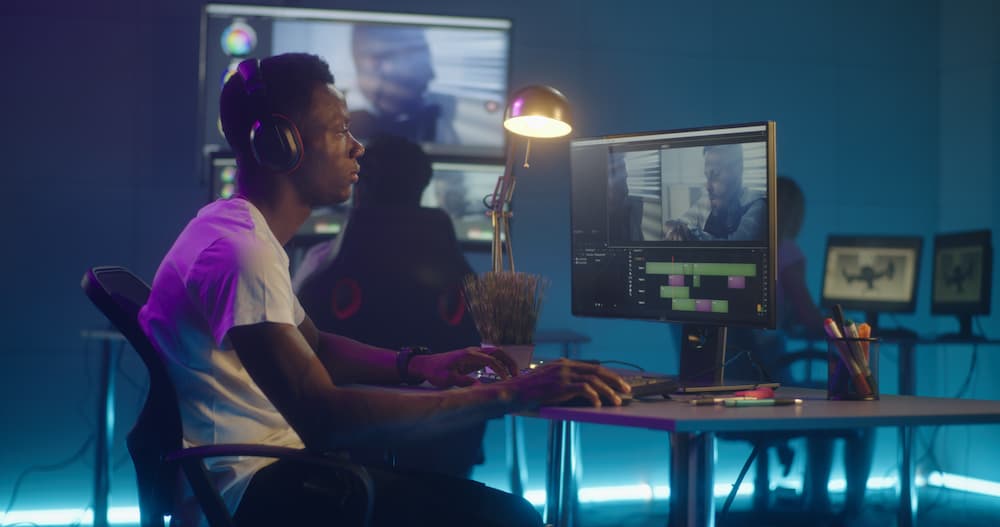
Editing software is crucial for refining digital media. It helps improve content quality. Popular choices include:
- Adobe Premiere Pro: Professional video editing software with many features.
- Final Cut Pro: Apple’s powerful tool for video editing.
- DaVinci Resolve: Known for its color correction capabilities.
These tools offer timelines, effects, and transitions. They make editing easier and efficient.
Design Tools
Design tools are essential for creating visuals. They help create logos, graphics, and animations. Some widely used design tools are:
- Adobe Photoshop: A versatile tool for photo editing and design.
- Adobe Illustrator: Ideal for vector graphics and illustrations.
- Canva: User-friendly for quick designs and social media posts.
These tools provide templates, brushes, and design elements. They make designing accessible to everyone.
Audio Tools
Audio tools enhance the sound quality of digital media. They help in recording, editing, and mixing audio. Key audio tools include:
- Audacity: Free and open-source audio editing software.
- Adobe Audition: Professional-grade tool for audio editing and mixing.
- GarageBand: User-friendly tool for Mac users to create music.
These tools offer features like noise reduction, multi-track editing, and effects. They ensure high-quality audio for your projects.
Credit: beonair.com
The Production Process
The Production Process of digital media is a journey from concept to completion. It involves meticulous planning, execution, and refinement. Each stage plays a crucial role in creating compelling digital content.
Pre-production
The first step is Pre-Production. This stage is all about planning and preparation. Here are the key components:
- Scriptwriting: Developing the story and dialogue.
- Storyboarding: Visualizing the scenes through sketches.
- Scheduling: Planning the timeline and deadlines.
- Budgeting: Estimating costs and allocating resources.
During pre-production, you lay the groundwork for a successful project. Each element must be well-defined and documented.
Production
Production is where the actual creation happens. At this stage, the ideas take shape. Key activities include:
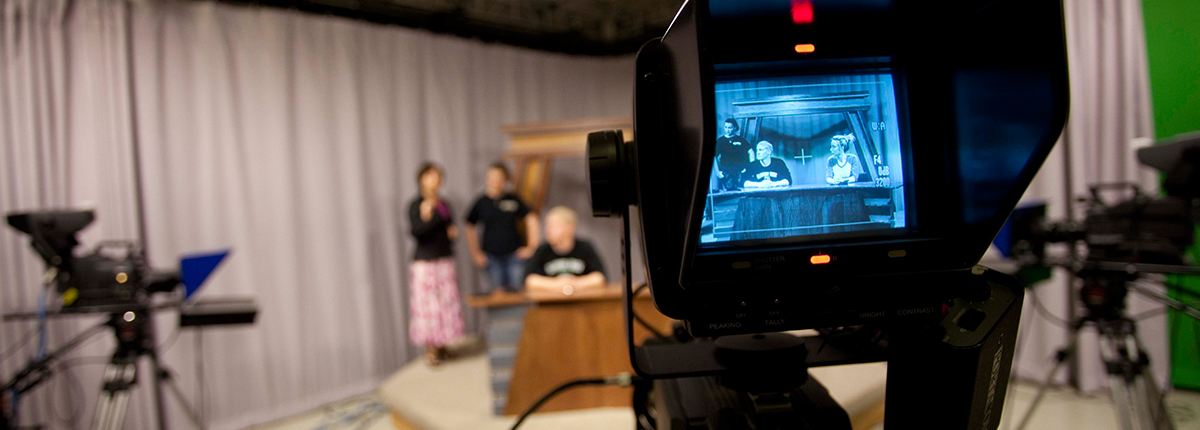
- Filming: Capturing video footage.
- Recording: Collecting audio elements.
- Directing: Guiding the creative vision.
- Lighting: Setting up lights for scenes.
In production, teamwork is essential. Everyone works together to bring the project to life.
Post-production
The final stage is Post-Production. This is where the magic happens. Key tasks include:
- Editing: Cutting and arranging footage.
- Sound Design: Adding and mixing audio tracks.
- Visual Effects: Enhancing visuals with special effects.
- Color Grading: Adjusting colors for mood and style.
Post-production refines the content. It ensures the final product is polished and engaging.
Roles In Digital Media
Digital media production is a team effort. Various roles come together to create engaging content. Each role has its unique responsibilities and skills. Let’s explore some key roles in digital media.
Producers
Producers oversee the entire production process. They manage schedules, budgets, and teams. Their job is to ensure the project stays on track. They coordinate with other team members and stakeholders. Producers often make key decisions about content direction and resource allocation. They also solve problems that arise during production.
- Manage budgets and timelines
- Coordinate between teams and stakeholders
- Make key decisions about content
Editors
Editors work on refining content. They cut and splice footage, add transitions, and polish the final product. Editors use software like Adobe Premiere Pro and Final Cut Pro. They ensure the content flows smoothly and meets quality standards. Editors also add effects, sound, and other elements to enhance the content.
- Use editing software to refine footage
- Ensure content flows smoothly
- Add effects and sound elements
Designers
Designers create visual elements for digital media. They work on graphics, animations, and layouts. Designers use tools like Adobe Photoshop and Illustrator. They make sure the visual elements align with the project’s theme. Designers also work closely with other team members to integrate visuals into the content.
- Create graphics and animations
- Use tools like Photoshop and Illustrator
- Ensure visuals align with the project’s theme
Industry Applications
Digital media production has transformed various industries by offering innovative ways to create, share, and interact with content. Industry applications of digital media production are vast and diverse. Below are some key areas where it plays a crucial role.
Entertainment
The entertainment industry leverages digital media production to create movies, TV shows, and music videos. High-quality graphics, special effects, and animations are now possible. This technology has enabled interactive gaming experiences too.
- Movies and TV Shows
- Music Videos
- Interactive Gaming
Streaming platforms like Netflix and Disney+ rely heavily on digital media production. This technology ensures content is engaging and visually appealing.
Marketing
Marketing strategies have evolved with digital media production. Businesses use it to create ads, social media content, and promotional videos. These tools help in attracting and retaining customers.
| Type | Description |
|---|---|
| Advertisements | Engaging video ads capture audience attention. |
| Social Media | Visual content increases user engagement. |
| Promotional Videos | Showcase products and services effectively. |
Brands can now tell compelling stories and connect with their audience better.
Education
Education systems benefit from digital media production too. It aids in creating e-learning modules, virtual classrooms, and educational videos. These resources make learning more engaging and accessible.
- E-Learning Modules
- Virtual Classrooms
- Educational Videos
Interactive content helps students understand complex subjects easily. Digital media production is a key tool in modern education.
Challenges And Solutions
Digital media production is an exciting field. It combines creativity and technology. Yet, it comes with its own set of challenges. Understanding these challenges is key. Finding solutions makes the process smoother.
Technical Issues
Technical issues are common in digital media production. They can disrupt the workflow. Common issues include software crashes and hardware failures. Outdated software can also cause problems.
To solve these issues, keep your software updated. Regularly check and maintain your hardware. Back up your work frequently. This ensures you don’t lose important files.
Creative Blocks
Creative blocks can halt production. They occur when ideas stop flowing. This is frustrating for creators. It’s important to find ways to overcome these blocks.
One solution is to take breaks. Refresh your mind with other activities. Collaboration can also spark new ideas. Working with a team often leads to inspiration.
Time Management
Time management is critical in digital media production. Projects often have tight deadlines. Poor time management leads to stress and low-quality work.
To manage time effectively, create a schedule. Break your project into smaller tasks. Prioritize these tasks based on importance. Use tools like calendars and reminders. This helps keep track of deadlines.
| Challenge | Solution |
|---|---|
| Technical Issues | Update software, maintain hardware, back up work |
| Creative Blocks | Take breaks, collaborate with others |
| Time Management | Create a schedule, break tasks into smaller parts |
Future Trends
The digital media landscape is changing fast. Future trends are shaping how content is created and consumed. Keep reading to learn about the exciting trends in digital media production.
Ai In Media Production
Artificial Intelligence (AI) is transforming media production. AI tools are automating video editing and content creation. This saves time and reduces costs. AI can analyze data to predict audience preferences. This helps in creating targeted content.
AI in media production offers the following benefits:
- Automated Editing: AI can edit videos faster than humans.
- Content Personalization: AI tailors content to individual users.
- Data Analysis: AI analyzes large datasets quickly.
Virtual Reality
Virtual Reality (VR) is changing how we experience media. VR creates immersive experiences. Users can explore virtual worlds. This technology is popular in gaming and education. VR is also used in training simulations.
Here are some key advantages of VR:
- Immersive Experiences: VR provides a sense of presence.
- Interactive Learning: VR is great for educational content.
- Enhanced Training: VR is useful for realistic simulations.
Interactive Media
Interactive Media engages users like never before. It allows for two-way interaction. Users can influence the content they consume. This makes the experience more personal and engaging. Interactive media is used in web design, videos, and games.
Benefits of interactive media include:
- Increased Engagement: Users are more involved.
- Personalized Content: Content adapts to user choices.
- Enhanced User Experience: Interactive elements make content fun.
Credit: www.sru.edu
Frequently Asked Questions
What Is Digital Media Production?
Digital media production involves creating content like videos, animations, graphics, and audio for digital platforms.
Why Is Digital Media Production Important?
It enhances audience engagement, improves brand visibility, and provides versatile marketing opportunities across various digital channels.
What Skills Are Needed For Digital Media Production?
Skills include video editing, graphic design, animation, storytelling, and familiarity with digital tools and software.
How Does Digital Media Production Work?
It typically involves planning, creating, editing, and distributing digital content tailored to specific platforms and audiences.
Conclusion
Digital media production is essential for creating engaging content. It involves various stages like planning, filming, and editing. Mastering these skills can enhance your projects. Understanding digital media production opens up numerous creative opportunities. Stay updated with new trends to keep your content fresh and appealing.