Digital Media Production involves creating, editing, and managing digital content. It includes video, audio, graphics, and interactive media.
Digital Media Production is a dynamic field that blends creativity with technology. Professionals in this industry produce content for websites, social media, advertisements, and online platforms. They use various tools and software to design, edit, and distribute multimedia content. This field requires skills in video production, graphic design, and web development.
Staying updated with technological advancements is crucial for success. The demand for digital media professionals is growing, driven by the increasing need for engaging online content. Whether for entertainment, education, or marketing, digital media production plays a vital role in modern communication.
Introduction To Digital Media Production
Digital Media Production involves creating content using digital tools. This includes videos, podcasts, and social media posts. The goal is to engage audiences online.
The Evolution Of Media
Media has changed a lot over the years. First, there was print media. Then came radio and television. Now, we have digital media.
Digital media is fast and interactive. It allows creators to reach global audiences. This was not possible with older media forms.
Why Digital Media Matters
Digital media is everywhere. People use it daily. It helps businesses grow. They can reach more customers online.
Digital media also empowers individuals. Anyone can create and share content. This democratizes information.
| Traditional Media | Digital Media |
|---|---|
| Print newspapers | Online news portals |
| Radio broadcasts | Podcasts |
| Television | Streaming services |
- Interactive: Engage with audiences in real-time.
- Global reach: Share your content worldwide.
- Cost-effective: Reduce production costs.
- Create quality content.
- Use digital tools.
- Engage your audience.

Credit: m.youtube.com
Key Components Of Digital Media
Understanding the key components of digital media is crucial for anyone involved in this field. Digital media production encompasses various elements that work together to create engaging and effective content. Here, we explore the essential components of digital media.
Content Creation
Content creation is the heart of digital media production. This process involves generating ideas, scripting, filming, and editing. High-quality content grabs attention and communicates messages effectively. Various forms of content include:
- Text – Articles, blogs, social media posts.
- Images – Infographics, photographs, illustrations.
- Audio – Podcasts, voiceovers, sound effects.
- Video – Tutorials, vlogs, advertisements.
Creating content requires creativity and technical skills. Tools such as Adobe Creative Suite, Final Cut Pro, and Canva are commonly used. Consistent and high-quality content builds audience trust and engagement.
Distribution Channels
Once content is created, it needs distribution channels to reach the audience. Distribution channels are platforms where content is shared. Key distribution channels include:
- Social Media – Facebook, Instagram, Twitter.
- Websites – Blogs, e-commerce sites, corporate websites.
- Email – Newsletters, promotional emails.
- Streaming Services – YouTube, Spotify, Vimeo.
Choosing the right channels ensures content reaches the target audience. Each channel has its unique features and audience demographics. Using analytics tools helps track performance and optimize future content distribution.
Tools And Technologies
Digital media production involves creating, managing, and distributing digital content. This process requires a variety of tools and technologies. Understanding these tools is crucial for effective digital media production. Below, we explore the essential software and hardware required for digital media production.
Software Solutions
Several software solutions are essential for digital media production. These include:
- Adobe Creative Cloud: A suite of applications for video editing, graphic design, and more.
- Final Cut Pro: A professional video editing software for Mac users.
- DaVinci Resolve: Known for its color correction and video editing capabilities.
- Pro Tools: Industry-standard software for audio editing and mixing.
- Blender: A free and open-source 3D creation suite.
Hardware Essentials
Having the right hardware is vital for digital media production. Key hardware includes:
| Hardware | Description |
|---|---|
| High-Performance Computer | Necessary for running demanding software and rendering media. |
| Graphics Tablet | Useful for precise graphic design and animation tasks. |
| Professional Camera | Essential for capturing high-quality video and photos. |
| Audio Interface | Important for recording and mixing high-quality audio. |
| External Hard Drives | Provide additional storage for large media files. |
The Role Of Creativity
Creativity is the heart of digital media production. It shapes the way stories are told. It impacts the use of visuals and sounds. Creativity turns ideas into engaging content. It helps in capturing the audience’s attention. Without creativity, digital media would be dull and lifeless.
Storytelling Techniques
Storytelling is crucial in digital media. Good storytelling keeps the audience hooked. Use these techniques to tell better stories:
- Character Development: Create relatable and interesting characters.
- Conflict: Introduce challenges for your characters to overcome.
- Resolution: Provide satisfying conclusions to the conflicts.
These techniques make stories memorable. They help in connecting with the audience emotionally.
Visual And Audio Elements
Visuals and sounds are essential in digital media. They bring stories to life. Use these elements effectively:
| Visual Elements | Audio Elements |
|---|---|
| High-quality images and videos | Clear and crisp audio |
| Engaging graphics and animations | Background music and sound effects |
| Consistent color schemes | Voice-over narration |
Combining these elements enhances the overall experience. It makes the content more appealing and engaging.
Challenges In Digital Media
Digital media production involves creating, managing, and delivering digital content. This process includes videos, graphics, animations, and interactive content. Despite its benefits, digital media production faces many challenges. These challenges can hinder creativity and efficiency.
Technical Hurdles
Technical issues are a major challenge in digital media production. These problems can disrupt the workflow and delay projects.
- Software Compatibility: Different software tools may not work well together.
- File Formats: Various file formats can cause compatibility issues.
- Hardware Requirements: High-end hardware is often needed for rendering and editing.
These technical hurdles require constant updates and troubleshooting.
Content Saturation
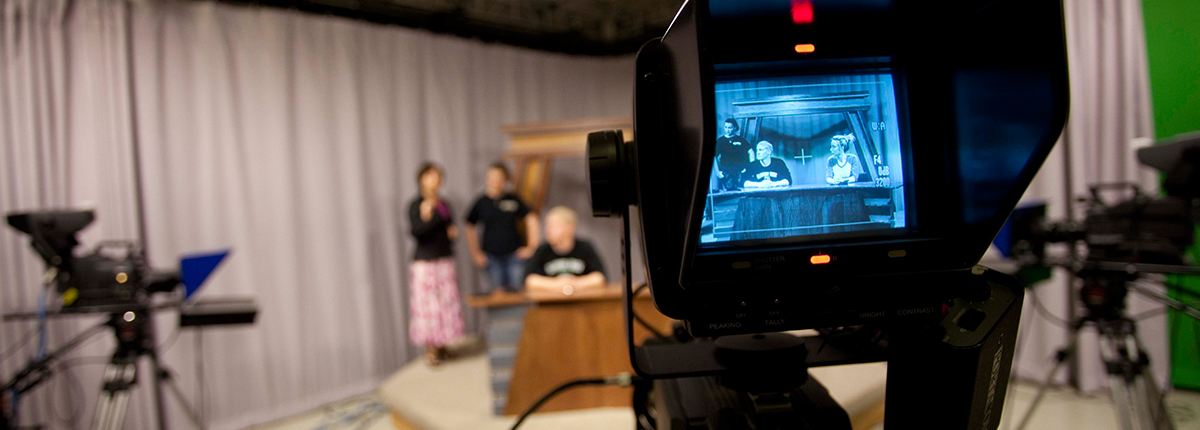
Content saturation is another significant challenge in digital media production. The internet is filled with vast amounts of content.
- Overwhelming Competition: Standing out is difficult with so much content available.
- Short Attention Spans: Viewers have limited attention spans, making engagement tough.
- Quality vs. Quantity: Balancing high-quality content with consistent output is hard.
Content creators must innovate to capture and retain audience attention.
Credit: www.sru.edu
Future Trends
The world of digital media production is evolving rapidly. The future trends will reshape how we create and consume digital content. Two major trends leading this transformation are AI and Automation, and Virtual Reality. These advancements promise exciting changes in the industry.
Ai And Automation
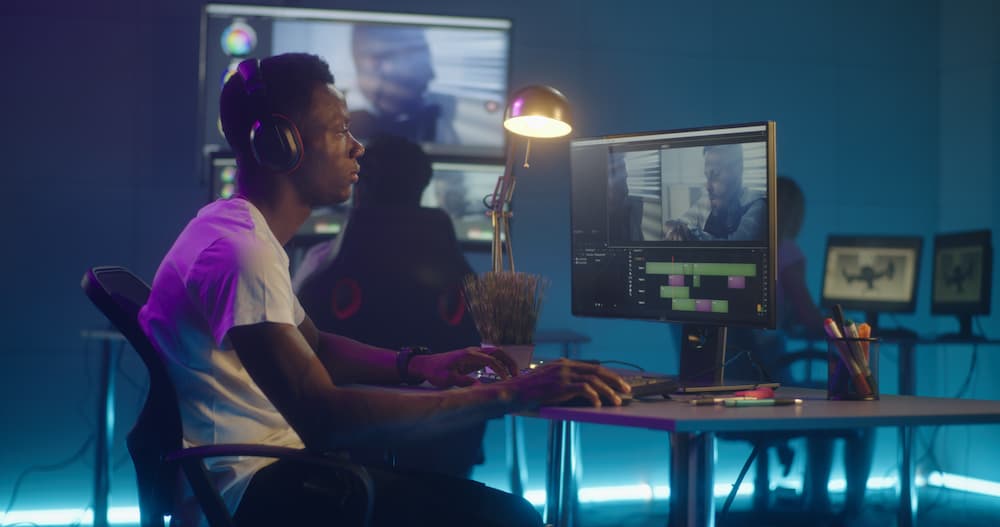
Artificial Intelligence (AI) and Automation are revolutionizing digital media production. AI tools can edit videos, enhance images, and even write scripts. Automation speeds up the production process. It helps producers save time and reduce costs.
Key benefits of AI and Automation:
- Faster content creation
- Cost reduction
- Improved content quality
AI algorithms analyze audience preferences. They provide insights for personalized content. Automation tools handle repetitive tasks. This allows creators to focus on creativity.
Virtual Reality
Virtual Reality (VR) is another game-changer in digital media production. VR creates immersive experiences. It transports users to a different world. This technology is used in gaming, education, and entertainment.
Advantages of VR in digital media:
- Enhanced user engagement
- Interactive storytelling
- New marketing opportunities
Companies use VR to create virtual tours. They offer users a unique experience. VR also helps in training and simulations. This makes learning more effective and fun.
As we move forward, these trends will shape the future of digital media production. Embracing AI, Automation, and Virtual Reality will open new possibilities for creators and audiences alike.
Credit: beonair.com
Frequently Asked Questions
What Is Digital Media Production?
Digital media production is the process of creating digital content, such as videos, images, and audio for various platforms.
Why Is Digital Media Production Important?
Digital media production is essential for engaging audiences, enhancing brand visibility, and effectively communicating messages across multiple digital channels.
What Skills Are Needed For Digital Media Production?
Skills needed include video editing, graphic design, audio production, storytelling, and knowledge of digital marketing tools and software.
How Does Digital Media Production Benefit Businesses?
It boosts brand awareness, improves customer engagement, and provides measurable results through analytics, helping businesses achieve their marketing goals.
Conclusion
Digital media production is essential for engaging and reaching audiences. Mastering this craft opens countless creative opportunities. Embrace the latest tools and techniques to stay ahead. Continuous learning ensures your skills remain relevant. Dive into digital media production and transform your creative visions into reality.