To price digital products effectively, consider production costs, market demand, and competitor pricing. Conduct thorough research to determine an optimal price point.
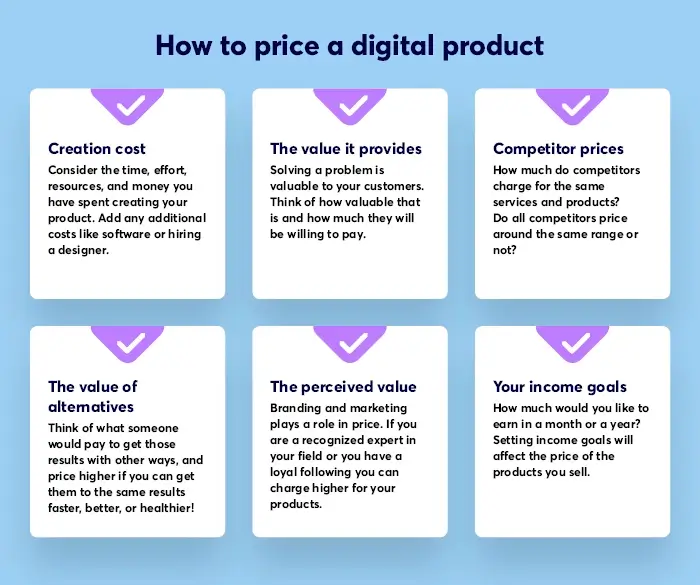
Pricing digital products can be challenging but crucial for success. Start by identifying all production-related costs, including software, labor, and marketing expenses. Research the market to understand consumer willingness to pay and competitor pricing strategies. Assess the unique value your product offers compared to others in the market.
Testing different price points can help find the sweet spot that maximizes profit while attracting customers. By staying informed and flexible, you can adjust your pricing strategy based on feedback and sales performance, ensuring long-term profitability.
Market Research
Pricing digital products can be challenging. Market research is crucial. This section covers how to research the market effectively.
Identify Competitors
First, identify your competitors. Look for businesses selling similar digital products. Use search engines and online marketplaces to find them.
- Search for keywords related to your product.
- Visit competitor websites and note their prices.
- Check customer reviews for insights on value perception.
Understanding competitors helps you set a competitive price.
Analyze Market Trends
Next, analyze market trends. Identify what is popular now. Use tools like Google Trends to see search interest.
| Tool | Purpose |
|---|---|
| Google Trends | Track search interest over time. |
| Social Media | Identify trending topics and products. |
Market trends guide you to price your product right.

Credit: download-monitor.com
Value Proposition
Creating the right value proposition is essential for pricing digital products. It helps customers understand why your product is worth their money.
Highlight Unique Features
Identify and highlight the unique features of your digital product. These features set your product apart from competitors.
- Exclusive content
- Advanced functionality
- User-friendly interface
- Frequent updates
- High-quality support
Ensure these features are clearly described. They should be easy to understand and relevant to user needs.
Customer Benefits
Focus on the benefits your customers will gain. These benefits should solve their problems or enhance their experiences.
| Feature | Customer Benefit |
|---|---|
| Exclusive content | Access to unique information |
| Advanced functionality | Increased productivity |
| User-friendly interface | Easy to use |
| Frequent updates | Latest features and improvements |
| High-quality support | Quick problem resolution |
Present these benefits prominently on your product page. Use bullet points and tables to make them stand out.
Cost Analysis
Understanding the cost analysis of digital products is vital. It helps set the right price. This process involves assessing production costs and operational expenses. Let’s break it down step-by-step.
Production Costs
Production costs are the expenses to create a digital product. These costs include software, hardware, and labor.
- Software: Purchase or subscription fees for software tools.
- Hardware: Costs for computers and other necessary devices.
- Labor: Payment for developers, designers, and content creators.
Here’s a simple table to illustrate typical production costs:
| Item | Cost |
|---|---|
| Software | $500 |
| Hardware | $1000 |
| Labor | $2000 |
Operational Expenses
Operational expenses are ongoing costs to maintain and sell the product. These include hosting, marketing, and customer support.
- Hosting: Fees for web hosting services.
- Marketing: Costs for advertising and promotions.
- Customer Support: Payment for support staff and tools.
A table to show typical operational expenses:
| Item | Cost |
|---|---|
| Hosting | $100/month |
| Marketing | $500/month |
| Customer Support | $300/month |
Understanding these costs helps set a competitive price. It ensures you cover expenses and make a profit.
Pricing Strategies
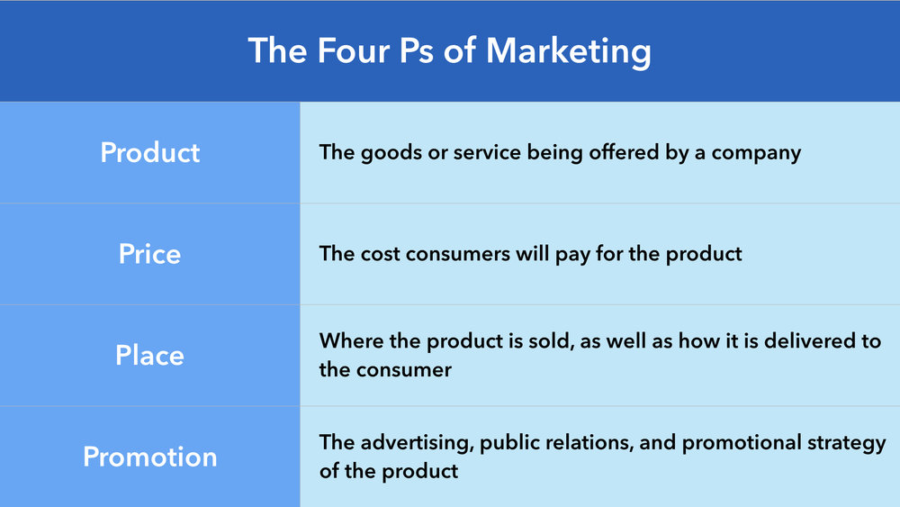
Pricing digital products can be challenging. Using the right strategy makes a difference. There are several pricing strategies to choose from. Let’s explore two popular methods: Freemium Model and Tiered Pricing.
Freemium Model
The Freemium Model offers basic features for free. Users can upgrade for premium features.
This model attracts a large user base. It helps build trust and brand awareness. Here are some key points:
- Free access to basic features
- Users get a taste of the product
- Encourages upgrades for advanced features
- Builds a large user base
Many successful companies use this model. Examples include Spotify and LinkedIn. This strategy works well for digital products.
Tiered Pricing
The Tiered Pricing strategy offers multiple pricing levels. Each level provides different features.
This model caters to different customer needs. It allows users to choose based on their requirements. Here is an example:
| Tier | Features | Price |
|---|---|---|
| Basic | Essential features | $10/month |
| Standard | All Basic features + extra tools | $20/month |
| Premium | All Standard features + advanced tools | $30/month |
This strategy maximizes revenue. Customers can upgrade as their needs grow. It works well for software and online services.
Psychological Pricing
Psychological pricing is a powerful strategy for setting digital product prices. It influences customer perception and increases sales. It leverages human psychology to make prices more appealing. Two common techniques are Charm Pricing and the Anchoring Effect. These methods can significantly boost your revenue.
Charm Pricing
Charm pricing involves setting prices that end in 9, 99, or 95. For example, instead of $10, you price it at $9.99. This makes the price seem lower than it actually is. Customers perceive $9.99 as a better deal than $10.
Here are some benefits of charm pricing:
- It creates a perception of value.
- It increases the likelihood of purchase.
- It makes prices seem more attractive.
Charm pricing is simple to implement and highly effective. It can make your digital products more appealing and boost sales.
Anchoring Effect
The Anchoring Effect uses a reference point to influence decisions. It involves presenting a higher-priced option first. This makes other prices seem more reasonable.
Consider this table for a better understanding:
| Product | Original Price | Discounted Price |
|---|---|---|
| Premium Package | $149 | |
| Standard Package | $99 |
The $199 price makes $99 seem like a bargain. This is the power of anchoring. Customers feel they are getting a better deal.
Using the anchoring effect can significantly boost your digital product sales. It makes customers more likely to choose your products. Implement these psychological pricing strategies for better results.
Credit: www.learnworlds.com
Testing And Adjustments
Pricing digital products can be challenging. It’s vital to test and adjust. This ensures your price meets customer expectations and maximizes profits.
A/b Testing
A/B testing helps you compare two different prices. You can see which one performs better.
Here’s how to do it:
- Create two versions of your product page with different prices.
- Direct half of your traffic to each version.
- Track sales and customer behavior.
- Analyze the data to see which price works best.
Customer Feedback
Customer feedback is crucial in pricing digital products. It provides insights into their willingness to pay.
Gather feedback through:
- Surveys
- Email campaigns
- Social media polls
Ask questions like:
- What do you think about the price of our product?
- Would you buy it at a higher or lower price?
Adjust your pricing based on the feedback. This ensures you meet customer expectations and drive sales.
| Method | Steps |
|---|---|
| A/B Testing | 1. Create versions 2. Direct traffic 3. Track sales 4. Analyze data |
| Customer Feedback | 1. Surveys 2. Emails 3. Social polls 4. Adjust pricing |
Credit: blog.useproof.com
Frequently Asked Questions
How Do I Determine The Price For My Digital Products?
Research market trends and competitors. Consider your product’s value, production costs, and target audience’s willingness to pay.
What Factors Influence Digital Product Pricing?
Key factors include production costs, market demand, competitor pricing, and perceived value. Customer feedback can also guide pricing strategies.
Should I Offer Discounts On Digital Products?
Offering discounts can boost sales, attract new customers, and increase visibility. Use them strategically to maintain perceived value.
How Often Should I Review My Pricing Strategy?
Regularly review your pricing every 3-6 months. Adjust based on market changes, customer feedback, and sales performance.
Conclusion
Mastering the art of pricing digital products can boost your sales and customer satisfaction. Use these strategies to find the perfect price point. Remember to stay flexible and adapt to market trends. By doing so, you’ll ensure your digital products remain competitive and appealing to your target audience.