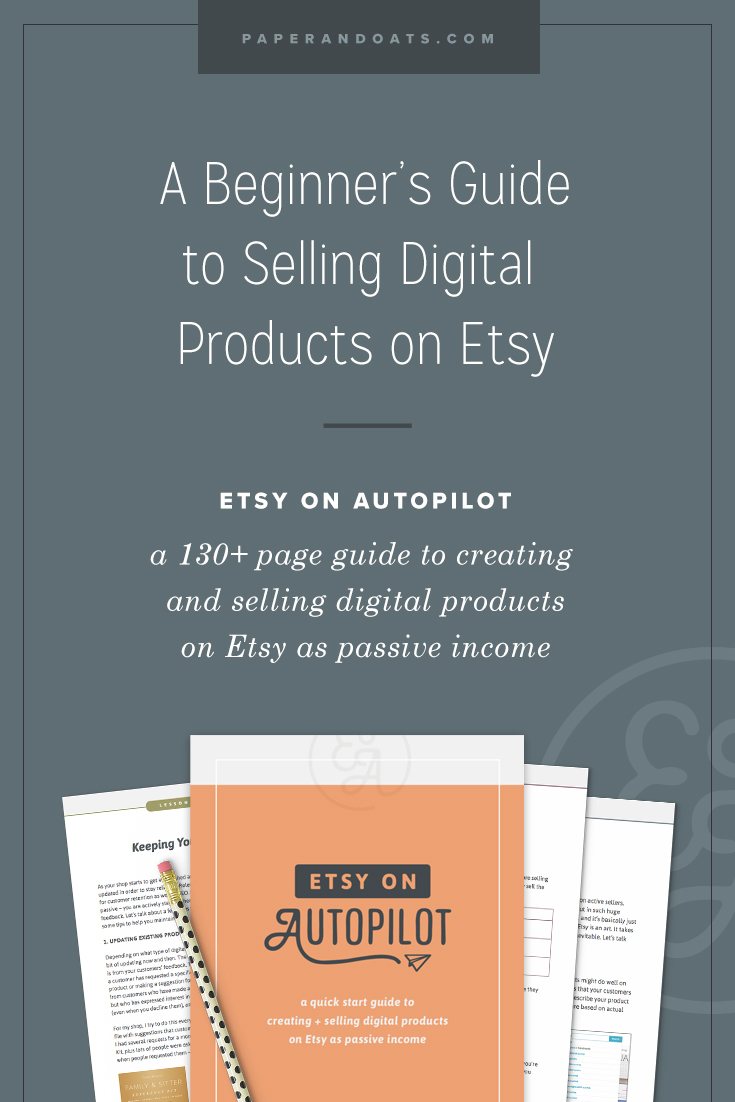
To market digital products, utilize social media platforms and email marketing to reach your target audience effectively. Leverage content marketing to provide value and build trust.
Marketing digital products requires a strategic approach to ensure visibility and engagement. Social media platforms like Facebook, Instagram, and Twitter offer vast audiences and targeted advertising options. Email marketing remains one of the most effective ways to nurture leads and convert them into customers.
Crafting compelling content through blogs, videos, and webinars not only educates your audience but also establishes your authority in the niche. Utilize SEO techniques to boost organic traffic and improve your search engine ranking. Engaging with your audience through comments and feedback can help tailor your offerings to meet their needs.

Credit: blog.shift4shop.com
Identifying Target Audience
Identifying your target audience is crucial for successfully marketing digital products. Understanding who your audience is helps tailor your strategies to meet their specific needs and preferences.
Demographics
Start by analyzing the demographic data of your potential customers. Key aspects include:
- Age: Determine the age range most likely to use your product.
- Gender: Identify if your product appeals more to a specific gender.
- Income Level: Understand the financial status of your target audience.
- Location: Know the geographical areas where your audience resides.
- Education Level: Assess the educational background of your audience.
Psychographics
Psychographics delve into the lifestyle and behaviors of your audience. Consider the following:
- Interests: Identify hobbies and interests that align with your product.
- Values: Understand the core values that drive your audience’s decisions.
- Lifestyle: Analyze the day-to-day activities of your potential customers.
- Personality Traits: Recognize personality aspects that can influence buying behavior.
- Online Behavior: Track how they interact with digital content.
Using these demographic and psychographic insights will help you create a well-defined target audience. This ensures your marketing efforts are focused and effective.
Creating Compelling Content
Creating compelling content is essential for marketing digital products. Engaging content attracts and retains customers, driving sales and brand loyalty. Understanding the types of content and the platforms to share them is key.
Content Types
Different content types cater to various audience preferences. Here are some effective content types:
- Blog Posts: Share insights, tutorials, and product updates.
- Videos: Create product demos, customer testimonials, and explainer videos.
- Infographics: Visualize data and processes simply and engagingly.
- eBooks: Provide in-depth knowledge and solutions to customer problems.
- Podcasts: Discuss industry trends, tips, and interviews with experts.
Content Platforms
Choosing the right platforms to distribute content maximizes reach and engagement. Consider these popular platforms:
- Website: Host blog posts, eBooks, and infographics on your website.
- YouTube: Share videos to reach a vast audience.
- Social Media: Use Facebook, Instagram, and Twitter for quick updates and engagement.
- Podcast Directories: Share podcasts on platforms like Spotify and Apple Podcasts.
- Email Newsletters: Deliver content directly to your subscribers’ inboxes.
Remember, each platform has its strengths and audience. Tailor your content to fit each platform’s unique features and user expectations.
Leveraging Social Media
Leveraging social media is essential for marketing digital products. Social media platforms offer vast audiences and powerful tools. These tools help businesses promote their digital products effectively. Let’s explore how to make the most out of social media.
Platform Selection
Choosing the right platform is crucial. Different platforms cater to different audiences. Here are some key platforms:
- Facebook: Great for wide-reaching campaigns.
- Instagram: Perfect for visual content and younger audiences.
- LinkedIn: Ideal for B2B and professional products.
- Twitter: Best for real-time updates and quick engagement.
- Pinterest: Excellent for niche markets and visual products.
Engagement Tactics
Engaging your audience is key to success. Here are some effective tactics:
- Consistent Posting: Post regularly to stay visible.
- Interactive Content: Use polls, quizzes, and live videos.
- User-Generated Content: Encourage users to share their experiences.
- Hashtags: Use relevant hashtags to reach a larger audience.
- Influencer Collaborations: Partner with influencers to expand your reach.
| Platform | Best For |
|---|---|
| Wide-reaching campaigns | |
| Visual content, younger audiences | |
| B2B, professional products | |
| Real-time updates, quick engagement | |
| Niche markets, visual products |
Email Marketing Campaigns
Email marketing campaigns are essential for promoting digital products effectively. They help you connect with your audience directly and drive sales. In this section, we’ll explore the key components of successful email marketing campaigns.
List Building
Building a strong email list is the first step. Use these methods to grow your list:
- Lead Magnets: Offer a freebie like an eBook or a discount.
- Opt-in Forms: Place forms on your website and blog.
- Social Media: Promote your sign-up link on social platforms.
These strategies will help you gather a targeted audience. A well-built list is crucial for effective email marketing.
Personalization
Personalization makes your emails more engaging. Here are ways to personalize your campaigns:
- Use Names: Address your subscribers by their first name.
- Segment Lists: Group subscribers based on their interests.
- Custom Content: Tailor your message to each segment.
Personalized emails have higher open and click-through rates. This boosts your chances of conversion.
Below is an example of a simple table summarizing the key points:
| Strategy | Description |
|---|---|
| Lead Magnets | Offer free resources to collect emails. |
| Opt-in Forms | Place forms on your site to capture leads. |
| Social Media | Share sign-up links on social networks. |
| Use Names | Address subscribers by their first name. |
| Segment Lists | Group subscribers by their interests. |
| Custom Content | Send tailored messages to each segment. |
By focusing on list building and personalization, your email marketing campaigns will be more effective. These strategies will help you reach and convert your audience.
Utilizing Influencer Marketing
Influencer marketing can skyrocket your digital product’s reach. Influencers have loyal followers who trust their recommendations. This trust can translate into sales for your digital product. Here’s how you can effectively use influencer marketing.
Finding Influencers
Start by identifying influencers in your niche. Use social media platforms like Instagram, Twitter, and YouTube. Look for influencers whose audience matches your target market. Tools like BuzzSumo and Social Blade can help find top influencers.
| Platform | Tool |
|---|---|
| BuzzSumo | |
| YouTube | Social Blade |
Next, check their engagement rates. High follower counts don’t always mean high engagement. Look at their likes, comments, and shares. Genuine engagement often indicates a loyal audience.
Collaboration Strategies
Once you find suitable influencers, think about collaboration strategies. Here are some ideas:
- Sponsored Posts: Pay influencers to create content featuring your product.
- Giveaways: Partner with influencers to run product giveaways.
- Affiliate Marketing: Offer commission for each sale made through the influencer’s link.
Sponsored posts can bring quick visibility. Giveaways generate excitement and can go viral. Affiliate marketing aligns the influencer’s success with yours.
Always provide clear guidelines and creative freedom. Influencers know what resonates with their audience. Track the campaign’s success using UTM parameters and analytics tools.
In summary, influencer marketing can be a game-changer. Identify the right influencers, create engaging collaborations, and track your results.
Credit: optinmonster.com
Analyzing Performance Metrics
Analyzing performance metrics is vital for marketing digital products. You must track and understand how your products are performing. This ensures you can make informed decisions and optimize your strategies effectively.
Key Performance Indicators
Key Performance Indicators (KPIs) help you measure success. Here are some important KPIs for digital products:
- Conversion Rate: The percentage of visitors who take a desired action.
- Customer Acquisition Cost (CAC): The cost to acquire a new customer.
- Lifetime Value (LTV): The total revenue from a customer over time.
- Churn Rate: The percentage of customers who stop using your product.
- Monthly Recurring Revenue (MRR): Predictable revenue every month.
- Net Promoter Score (NPS): Measures customer satisfaction and loyalty.
Tools And Techniques
Using the right tools and techniques can enhance your performance analysis. Here are some popular options:
| Tool | Purpose |
|---|---|
| Google Analytics | Track website traffic and user behavior. |
| Mixpanel | Analyze user interactions with your product. |
| Hotjar | Understand user engagement through heatmaps. |
| HubSpot | Manage customer relationships and track conversions. |
| SEMrush | Improve your SEO and track your competitors. |
Here are some techniques for analyzing performance metrics:
- Set Clear Goals: Define what success looks like.
- Monitor Metrics Regularly: Track your KPIs consistently.
- Use A/B Testing: Test different strategies to see what works best.
- Analyze Customer Feedback: Listen to your customers for insights.
- Adjust Strategies: Make changes based on your analysis.

Credit: amandacampeanu.com
Frequently Asked Questions
What Are Digital Products?
Digital products are intangible items like eBooks, software, online courses, and digital art that can be sold online.
How To Start Marketing Digital Products?
Identify your target audience, create quality content, and utilize social media, email marketing, and SEO strategies to promote your products.
Which Platforms Are Best For Selling Digital Products?
Popular platforms include Shopify, Etsy, Amazon, and Gumroad. Each offers unique features tailored for digital product sales.
How To Price Digital Products Effectively?
Research competitors, consider your costs, and evaluate the perceived value. Offer various pricing tiers to attract different buyer segments.
Conclusion
Mastering digital product marketing can drive your business success. Utilize social media, email campaigns, and influencer partnerships. Always analyze your results to refine strategies. Remember, consistency and creativity are key. Start applying these tips today and watch your digital products thrive in the competitive market.