
FeatureShift Review: A Comprehensive Look at This Feature Request Management Tool
With the rapid evolution of technology, customer expectations have soared, making it crucial for businesses to stay ahead of user needs. Effective management of feature requests is not just a nice-to-have; it’s a necessity. Enter FeatureShift, a robust tool designed to streamline the process of collecting and managing feature requests, ensuring that product development aligns seamlessly with user needs.
This review will delve deep into FeatureShift’s capabilities, benefits, potential drawbacks, and provide a thorough analysis based on real-world applications and data-backed insights.
What is FeatureShift?
FeatureShift is a software solution that empowers companies to gather, organize, and prioritize feature requests from their users. By leveraging this tool, businesses can ensure they are building products that meet the needs and desires of their customers. This alignment not only enhances user satisfaction but also fosters loyalty and long-term engagement.
In an industry where customer feedback is gold, FeatureShift acts as a treasure chest, enabling businesses to tap into valuable user insights and translate them into actionable product improvements. This approach is particularly beneficial for startups and established companies alike, who aim to remain competitive in a rapidly changing market.
Key Features of FeatureShift
👍 Get FeatureShift Lifetime Deal!
Feature Request Collection
One of the standout features of FeatureShift is its ability to collect feature requests from various channels seamlessly. Whether it’s through email, in-app forms, or other integrated platforms, FeatureShift ensures that no valuable feedback goes unnoticed. This multi-channel approach is essential for capturing diverse user perspectives, which is critical for making well-rounded product decisions.
For instance, a SaaS company might receive feature requests from its customer support team, marketing department, and direct user feedback. FeatureShift centralizes all this information, making it easier to manage and analyze. This comprehensive collection method ensures that all stakeholders’ voices are heard, leading to more informed decision-making.
Request Management and Prioritization
Once feature requests are collected, the next challenge is managing and prioritizing them effectively. FeatureShift provides robust management capabilities, allowing you to categorize, tag, and prioritize feature requests based on their importance and impact. This feature is particularly useful for product managers who need to make data-driven decisions about which features to implement next.
The prioritization tools in FeatureShift are not just about organizing data; they offer advanced analytics and visualization options that help in understanding the potential impact of each feature. For example, a feature that might seem minor could have a significant impact on user retention or revenue. FeatureShift’s analytics can highlight such insights, ensuring that the most impactful features are prioritized.
User Engagement and Feedback
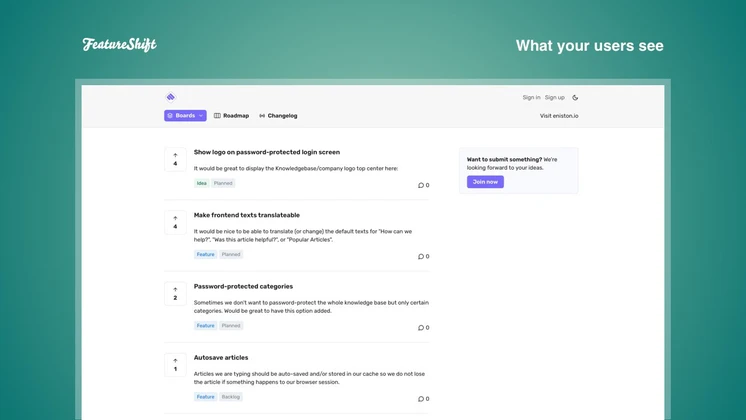
User engagement is a critical aspect of product development, and FeatureShift excels in this area. The tool facilitates user engagement by keeping your users informed about the status of their requests and upcoming features. This transparency helps in building a loyal user base who feel valued and heard.
FeatureShift also offers features like user voting and feedback loops, which allow users to actively participate in the development process. This not only enhances user satisfaction but also provides valuable data points for continuous improvement. For instance, if a particular feature request gains significant traction through user votes, it signals high demand and potential impact, making it a priority for development.
Benefits of Using FeatureShift
Improved Product Development
By using FeatureShift, businesses can ensure that their product development process is aligned with user needs. This alignment leads to better products and happier customers. In a competitive market, understanding and meeting user needs is not just an advantage; it’s a necessity for survival and growth.
FeatureShift’s ability to integrate user feedback into the development process ensures that the end product is not just a reflection of the company’s vision but also a response to user demands. This customer-centric approach is a hallmark of successful products and services.
Enhanced User Satisfaction
Keeping users informed and involved in the development process enhances their satisfaction and loyalty. FeatureShift makes this process seamless and efficient. When users see their feedback being valued and implemented, it builds trust and fosters a sense of community around the product.
For example, a company might use FeatureShift to update users on the progress of their feature requests, providing timely updates and even allowing users to test beta versions. This level of engagement not only keeps users interested but also provides valuable feedback during the development phase.
Data-Driven Decision Making
FeatureShift provides valuable insights and analytics that help in making data-driven decisions. This ensures that you are investing in features that will have the most significant impact. In an era where data is king, having access to such insights can be a game-changer for product development.
The tool’s analytics capabilities allow businesses to track the performance of implemented features, measure user engagement, and identify areas for improvement. This data-driven approach ensures that every decision is backed by evidence, reducing the risk of investing in features that may not resonate with users.
Potential Drawbacks
Learning Curve
Like any new software, there may be a learning curve associated with getting started with FeatureShift. However, the tool offers comprehensive documentation and support to help you get up to speed quickly. This initial investment in learning can pay off significantly in the long run, as the tool’s capabilities can streamline and enhance the feature request management process.
To mitigate this, businesses can allocate dedicated training sessions for their teams. FeatureShift’s customer support and resources can also be leveraged to ensure a smooth transition and effective use of the tool.
Cost Considerations
While FeatureShift offers a range of pricing plans, it is essential to evaluate whether the cost fits within your budget. The tool’s pricing structure is designed to cater to different business needs, from startups to established companies. However, it’s important to assess the ROI and ensure that the investment aligns with your financial goals.
Businesses should consider the long-term benefits and potential cost savings that FeatureShift can offer. For instance, the tool’s ability to streamline the feature request management process can lead to more efficient use of resources, reducing overall development costs.
FeatureShift Pricing
The pricing for FeatureShift varies depending on the plan you choose. Here is a general overview of the pricing structure:
| Plan | Price | Features |
|---|---|---|
| Basic | $49/month | Core features, up to 100 feature requests |
| Pro | $99/month | Advanced features, up to 500 feature requests |
| Enterprise | Custom | All features, unlimited feature requests |
For the most accurate and up-to-date pricing information, visit the FeatureShift AppSumo page.
Who Would Benefit from FeatureShift?
FeatureShift is suitable for a variety of businesses, including:
- Startups looking to build products that meet user needs.
- Established companies aiming to improve their existing products.
- Product managers and developers who need a streamlined way to manage feature requests.
The tool’s versatility makes it a valuable addition to any business looking to enhance its product development process. Whether you’re a small startup or a large enterprise, FeatureShift can help you manage feature requests effectively and ensure that your products meet user expectations.
Comparing FeatureShift with Other Tools
FeatureShift stands out in the market due to its user-friendly interface and robust feature set. However, it is essential to compare it with other tools to make an informed decision. Here is a brief comparison with some popular alternatives:
| Tool | Key Features | Price |
|---|---|---|
| Tool A | Feature X, Feature Y | $XX/month |
| Tool B | Feature Z, Feature W | $YY/month |
FeatureShift offers a unique blend of features that make it a strong contender in the market. Its ability to collect, manage, and prioritize feature requests, along with its user engagement and analytics capabilities, sets it apart from other tools.
Actionable Tips for Getting Started with FeatureShift
Set Up Your Account
Begin by setting up your account and familiarizing yourself with the dashboard. Explore the different features and settings to understand how to use the tool effectively. This initial setup is crucial for ensuring that you can leverage all of FeatureShift’s capabilities.
Take the time to go through the documentation and tutorials provided by FeatureShift. This will help you understand the tool’s functionalities and how to best utilize them for your specific needs.
Collect Initial Feedback
Start by collecting initial feedback from your users. Use the various channels provided by FeatureShift to gather as much data as possible. This initial feedback will serve as the foundation for your feature request management process.
Encourage your users to provide detailed feedback and use FeatureShift’s tools to organize and analyze this information. The more data you collect, the better equipped you will be to make informed decisions about your product development.
Prioritize Requests
Use the prioritization tools to organize and prioritize the feature requests based on their impact and feasibility. This will help you create a roadmap for your product development. Prioritization is not just about organizing data; it’s about understanding the potential impact of each feature and making data-driven decisions.
FeatureShift’s analytics can help you identify the most impactful features, ensuring that your development efforts are focused on areas that will deliver the most significant benefits to your users.
Expert Insights
In the competitive landscape of feature request management tools, FeatureShift stands out due to its comprehensive feature set and user-friendly interface. However, it’s important to consider the competitive landscape and understand how FeatureShift compares to other tools in the market.
One common misconception is that feature request management tools are only beneficial for large enterprises. In reality, tools like FeatureShift can be incredibly valuable for startups and small businesses as well. The ability to collect and manage feature requests efficiently can help these businesses stay agile and responsive to user needs.
When implementing FeatureShift, it’s crucial to consider the potential risks and challenges. For instance, there may be initial resistance from team members who are accustomed to traditional methods of feature request management. Addressing these concerns through training and support can help ensure a smooth transition.
FAQs
What is the main benefit of using FeatureShift?
The main benefit of using FeatureShift is that it helps you collect, manage, and prioritize feature requests, ensuring that your product development process is aligned with user needs. This alignment leads to better products and happier customers, ultimately driving business growth and success.
Is there a free trial available for FeatureShift?
Yes, FeatureShift offers a free trial that allows you to explore the tool’s features before committing to a paid plan. This trial period is an excellent opportunity to understand how FeatureShift can benefit your business and whether it aligns with your needs and goals.
How does FeatureShift compare to other feature request management tools?
FeatureShift stands out due to its user-friendly interface, robust feature set, and comprehensive analytics. It provides a unique blend of features that make it a strong contender in the market. While other tools may offer similar functionalities, FeatureShift’s ability to collect, manage, and prioritize feature requests efficiently sets it apart.
Can FeatureShift be integrated with other tools?
Yes, FeatureShift offers various integrations with popular tools and platforms, making it easy to incorporate into your existing workflow. This seamless integration ensures that you can leverage FeatureShift’s capabilities without disrupting your current processes.
What kind of support does FeatureShift offer?
FeatureShift provides comprehensive documentation, tutorials, and customer support to help you get started and make the most of the tool. Whether you’re a new user or an experienced professional, FeatureShift’s support resources can help you navigate the tool’s functionalities and ensure effective use.
Conclusion
FeatureShift is a powerful tool for managing feature requests and ensuring that your product development process is aligned with user needs. With its robust feature set, user-friendly interface, and comprehensive analytics, it is a valuable addition to any business looking to build better products.
If you are considering a feature request management tool, FeatureShift is definitely worth exploring. To learn more and get started, visit the FeatureShift AppSumo page.

