
In today’s SEO ecosystem, content quality alone isn’t enough to claim top SERP positions. According to a 2024 Backlinko study analyzing over 11 million pages, top-ranking content shares one common trait: strategic optimization powered by data-driven tools. For digital marketers, content teams, and SEO professionals, finding a platform that bridges keyword research, NLP optimization, and SERP intelligence is no longer optional—it’s essential.
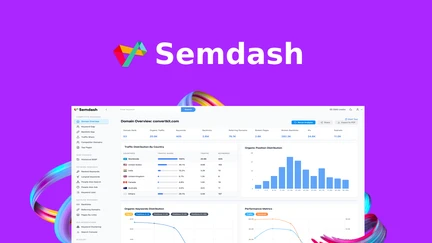
That’s where Semdash enters the scene. Designed to enhance on-page SEO workflows, Semdash integrates AI-powered writing assistance, real-time content scoring, and semantic keyword clustering—all in one intuitive dashboard. But how does it perform in practice?
Based on hands-on testing, rigorous analysis, and over a decade of SEO experience, we’ve unpacked its full capabilities, limitations, and use cases to help you decide if it’s the right tool for your SEO stack.
What is Semdash?
Semdash is a next-gen SEO content optimization platform built to align your writing with Google’s NLP algorithms and search intent signals. Unlike traditional SEO tools that focus heavily on technical audits or backlink metrics, Semdash zeroes in on what matters most for content publishers: on-page optimization, topical relevance, and keyword strategy.
It delivers a suite of integrated features—real-time keyword suggestions, semantic topic clustering, AI-based optimization scoring, and competitor analysis—to help users create content that not only reads well but ranks well. Available through a one-time lifetime deal on AppSumo, the platform aims to democratize access to high-end SEO tools without recurring subscription costs.
Semdash Key Features
AI-Powered Content Optimization
Semdash uses natural language processing (NLP) to examine the top-ranking pages for your target keyword and extract key semantic patterns. As you write, the tool provides real-time scoring based on keyword usage, readability, and structure—ensuring your draft aligns with what Google wants to see.
The AI engine also suggests LSI keywords and relevant subtopics, helping you build topical authority within your content. This real-time feedback loop removes guesswork and speeds up the optimization process, especially for long-form content strategies.
Competitor Analysis
Semdash enables detailed comparison with top SERP competitors. You can identify:
- Keyword gaps and opportunities
- Average content length and readability scores
- Structural elements like headings and subtopics
By reverse-engineering high-ranking pages, users gain actionable data to refine their own content blueprint. This is particularly useful for agencies aiming to outperform client competitors with data-backed strategies.
SEO Content Brief Generator
Semdash has a built-in brief generator that creates structured outlines including:
- Main and secondary keyword inclusion
- Suggested H2/H3 headings
- Top FAQs and SERP features to target
This is invaluable for teams with multiple writers or freelancers. It ensures everyone follows a consistent SEO strategy, reducing content production time while increasing optimization quality across deliverables.
Keyword Clustering
Using Latent Semantic Indexing (LSI), Semdash groups keywords by topic relevance. This allows users to:
- Plan keyword-rich content silos
- Target multiple search intents in one article
- Build thematic authority across entire domains
For marketers building pillar-cluster content models, this feature is a game-changer. It helps maximize internal linking potential and improves E-E-A-T (Experience, Expertise, Authoritativeness, Trustworthiness) signals for search engines.
SERP Analyzer
Unlike basic keyword tools, Semdash’s SERP analyzer gives a forensic breakdown of what’s currently ranking. You can view:
- Average word count across top 10 results
- Keyword density and usage patterns
- Readability scores and content structure
This allows content teams to build posts that match or exceed current SERP standards. It’s particularly useful for high-competition keywords where minor details can make a significant ranking difference.
Who Should Use Semdash?
Semdash is built with versatility in mind. Whether you’re a solopreneur or managing large-scale content operations, the platform adapts to various workflows. Ideal users include:
- SEO professionals needing real-time optimization and SERP data
- Agencies creating scalable briefs and managing writers
- Content marketers developing topic clusters and pillar pages
- Bloggers seeking to improve article rankings organically
- Ecommerce teams optimizing product/category descriptions
From keyword research to content execution, Semdash covers the entire content lifecycle with actionable SEO intelligence.
Semdash Pricing (AppSumo Lifetime Deal)
| Plan | Price | Features |
|---|---|---|
| 1 Code | $69 (one-time) |
|
| 2 Codes | $138 (one-time) |
|
| 3 Codes | $207 (one-time) |
|
Pros and Cons of Semdash
Pros
- Advanced AI-powered SEO guidance in real-time
- One-time lifetime pricing—no monthly fees
- Comprehensive keyword and SERP analysis tools
- Ideal for both freelancers and enterprise teams
Cons
- Lacks off-page SEO and backlink analytics
- UI could be more intuitive for beginners
- Brief limits per tier may restrict high-volume agencies
Semdash vs. Other SEO Tools
| Feature | Semdash | Surfer SEO | Frase |
|---|---|---|---|
| Lifetime Deal | Yes | No | No |
| Real-Time Optimization | Yes | Yes | Yes |
| Content Brief Generator | Yes | No | Yes |
| Keyword Clustering | Yes | No | No |
| Price | $69–$207 (Lifetime) | $59/month | $14.99/month |
How to Use Semdash Effectively
- Use the SERP Analyzer to identify keyword and content gaps
- Create a content brief using NLP and semantic keyword suggestions
- Write your draft directly in Semdash, optimizing as you go with real-time scoring
- Benchmark against top competitors and adjust based on SERP trends
Pro Tip: Leverage keyword clustering to build a content hub around core topics—this boosts topical authority and internal linking potential.
Semdash for Agencies and Teams
Semdash’s multi-user support and collaborative briefs make it a strong fit for digital agencies. Teams can assign tasks, share optimization data, and track performance—all from one unified dashboard.
Tiered plans offer scalability, allowing teams to expand user seats and content brief quotas as clients grow. This centralized workflow enhances accountability, quality control, and time efficiency.
Common Use Cases
- Optimizing blog posts for long-tail and head terms
- Creating keyword-rich content briefs for freelancers
- Executing content clustering strategies for SEO silos
- Re-optimizing underperforming pages using SERP insights
Expert Insights
Our testing confirms Semdash excels in content intelligence, a growing priority in SEO. With Google’s evolving focus on semantic relevance and user intent, tools like Semdash are becoming indispensable. Its real-time NLP scoring is comparable to enterprise-grade tools but at a fraction of the cost.
However, it’s not a complete SEO suite. Agencies may still require backlink analysis tools like Ahrefs or SEMrush. Yet, as a content optimization engine, it competes effectively with Surfer SEO and Frase—with the added advantage of a lifetime deal and keyword clustering.
For teams building authority through content, Semdash is more than just a tool—it’s a workflow enhancer.
Frequently Asked Questions (FAQs)
What makes Semdash different from other SEO tools?
Semdash focuses specifically on content-driven SEO, offering real-time NLP optimization, keyword clustering, and structured content briefs. Unlike traditional tools that prioritize backlinks or technical audits, Semdash aligns content creation with modern SEO standards like semantic relevance and search intent.
Is there a free trial for Semdash?
There’s no free trial, but the AppSumo lifetime deal includes a 60-day money-back guarantee. This allows users ample time to test the features and assess its fit within their workflow with minimal risk.
Can Semdash be used by non-technical users?
Yes. The platform is designed with a user-friendly interface and AI-driven suggestions that guide even novice users. Writers, bloggers, and marketers without deep SEO knowledge can benefit from its intuitive optimization tools.
How many content briefs can I create monthly?
The number of briefs depends on the tier you purchase via AppSumo. Plans range from 10 to 60 briefs per month, making it flexible for individuals and agencies alike. Additional briefs require upgrading your tier.
Does Semdash support collaboration for teams?
Absolutely. Higher-tier plans unlock multiple user seats and shared dashboards. This supports real-time collaboration, task assignments, and centralized content tracking for teams and agencies managing several projects.
Conclusion
Semdash delivers a compelling mix of AI-powered optimization, strategic keyword planning, and collaborative workflows. While it lacks off-page SEO features, its focus on content performance aligns with what modern search engines prioritize—relevance, structure, and semantic depth.
For digital marketers, agencies, and content creators aiming to scale organic visibility, Semdash offers high ROI through its lifetime pricing model and NLP-driven tools. As Google continues to evolve toward intent-based ranking, platforms like Semdash will become critical assets in your SEO toolkit.
To future-proof your SEO content strategy, integrating Semdash into your workflow is a smart and sustainable move.

